مخالفت دوباره کمیسیون ارتباطات فدرال آمریکا با تلاش TP-Link برای عرضه تجهیزات وایفای ۸
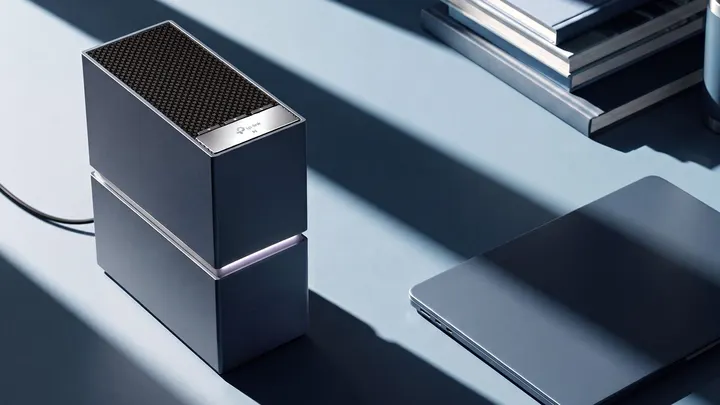
کمیسیون ارتباطات فدرال آمریکا (FCC) بار دیگر درخواست شرکت TP-Link برای فروش تجهیزات وایفای ۸ در این کشور را رد کرد. این نهاد نظارتی شرکت تایوانی را به ارائه اطلاعات نادرست در مدارک و همچنین تخطی از سطوح مجاز توان مصرفی روترها متهم کرده است.
تلاش شرکت TP-Link برای کسب تأییدیه از کمیسیون ارتباطات فدرال آمریکا (FCC) با مانع تازهای روبهرو شده است. بر اساس گزارشهای جدید، این نهاد نظارتی به دلیل مغایرت در سطوح توان روترهای TP-Link از صدور مجوز برای فروش محصولات جدید وایفای ۸ در خاک آمریکا خودداری کرده است.
اداره مهندسی و فناوری کمیسیون ارتباطات فدرال در نامههایی ادعا کرده است که TP-Link اطلاعات نادرست یا ناقصی را در تقاضانامههای مربوط به مجوز تجهیزات چهار مدل روتر از جمله مدلهای ردهبالای سری Archer گنجانده است. افزون بر این، بررسیها نشان داده است که توان مصرفی سه مدل از این روترها بالاتر از حد مجاز تعیینشده قرار دارد. ارزیابیهای سختگیرانه این کمیسیون شامل سازگاری الکترومغناطیسی، انتشار فرکانسهای رادیویی و انطباق با امنیت ملی است؛ موضوعی که با توجه به کاربرد گسترده تجهیزات این شرکت در نهادهای غیرنظامی و دولتی اهمیت ویژهای دارد.
در واکنش به این یافتهها، TP-Link اعلام کرد که بازرسیهای روتین بخشی از رویه استاندارد کمیسیون است و این شرکت متعهد است تا به طور سازنده برای حلوفصل مسائل فنی با نهادهای مربوطه همکاری کند. با این حال، این شرکت علاوه بر چالشهای رگولاتوری، با انتقاداتی از سوی قانونگذاران آمریکایی و دادستانهای ایالتی به دلیل روابط ادعایی با چین و مسائل حریم خصوصی مواجه است. TP-Link برای بهبود جایگاه خود در آمریکا، مقر خود را به کالیفرنیا منتقل کرده و اخیراً از سرمایهگذاری مشترک یک میلیارد دلاری برای تولید روترهای وایفای ۸ در داخل آمریکا خبر داده است.
FCC rebuffs TP-Link again as it attempts to sell Wi-Fi 8 gear in the US
TP-Link just can’t seem to catch a break with the FCC, as it’s not under fire for exceeding power limits on its routers
FCC rebuffs TP-Link again as it attempts to sell Wi-Fi 8 gear in the US — FCC alleges inaccurate documentation and out-of-spec power levels for routers
“The FCC won’t let me be”
TP-Link has been trying everything in its power to gain conditional approval from the Federal Communications Commission (FCC). According to a new Bloomberg report, the FCC is citing discrepancies in power levels in TP-Link routers as the latest roadblock on its path to selling new Wi-Fi 8 products stateside.
In letters dated October 15, 2026, the FCC Office of Engineering and Technology made some damning claims about TP-Link's reporting practices. Specifically, the FCC alleged that TP-Link "included false or incorrect information in its applications” related to equipment authorizations for four individual router models (including high-end Archer models).
For a company that truly needs to dot every "i" and cross every "t" when it comes to a Trump administration that is increasingly skeptical of TP-Link's past ties and motives, any perceived missteps are even more magnified. However, in addition to the alleged wonky product information provided to the FCC, perhaps more troubling is that three of the four routers under scrutiny also had higher-than-allowed power usage levels.
In addition to power limits, the FCC's testing regimen for routers includes evaluations of electromagnetic compatibility (EMC), radio frequency (RF) emissions, and national security compliance. The latter has been a big sticking point with the FCC and the U.S. Department of Defense given the proliferation of TP-Link networking gear in civilian and governmental capacities.
We reached out to TP-Link about the FCC’s findings and were provided with the following statement:
"Routine spot checks have been a standard FCC practice across the consumer electronics industry for many years, and individual product test results can occasionally vary.
TP-Link Systems fully supports the FCC’s Office of Engineering and Technology and its role of ensuring that all manufacturers adhere to prescribed specifications for their certified products. We remain fully committed to working collaboratively with the FCC to resolve any technical questions that arise — and if necessary, address any confirmed technical issues as swiftly as possible."
It will likely take a lot more convincing to appease the FCC, which has so far given TP-Link the cold shoulder. And it’s not just the FCC; members of Congress and multiple state attorneys general have filed their grievances with TP-Link over alleged consumer privacy violations and Chinese ties.
For its part, TP-Link has made some significant moves to get in the good graces of the U.S. government, even while competitors like Amazon, Asus, and Netgear have sailed through compliance checks to gain conditional approval to sell wireless products in the U.S. Besides moving its U.S. headquarters to California, the company earlier this month announced a $1 billion joint venture with Key Tronic to manufacture Wi-Fi 8 routers in the U.S.
Brandon Hill is a senior editor at Tom's Hardware. He has written about PC and Mac tech since the late 1990s with bylines at AnandTech, DailyTech, and Hot Hardware. When he is not consuming copious amounts of tech news, he can be found enjoying the NC mountains or the beach with his wife and two sons.
Source report: Tom's Hardware.
گزارش فارسی این خبر با کمک هوش مصنوعی و فقط بر اساس اطلاعات منتشرشده در منبع تهیه شده است.