ادعای Mistral: مدل هوش مصنوعی Le Chonk از رقبای چینی جلو زد
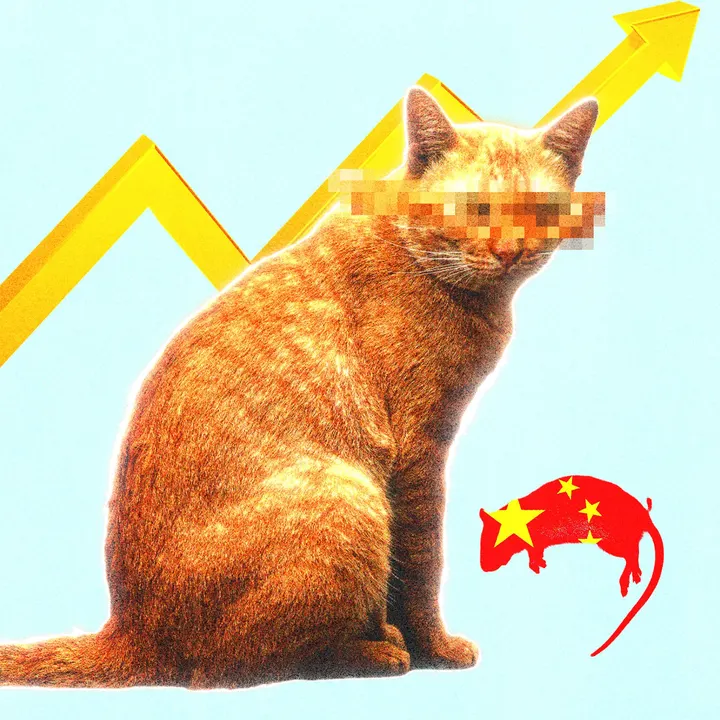
آزمایشگاه فرانسوی Mistral ادعا میکند که مدل هوش مصنوعی جدید و متنباز این شرکت به نام Le Chonk توانسته است در زمینه کدنویسی و امنیت سایبری با مدلهای پیشرفته چینی رقابت کرده و از آنها پیشی بگیرد.
شرکت فرانسوی Mistral نسخهای پیشرفته از مدل هوش مصنوعی خود را با نام مستعار Le Chonk معرفی کرده و مدعی است که این مدل اکنون به عنوان برترین سیستم متنباز جهان در حوزههای کدنویسی خودکار و امنیت سایبری شناخته میشود. به گفته این آزمایشگاه، توسعه قابلیتهای امنیتی و پردازشی به این مدل ترلیون پارامتری اجازه داده است تا همتراز یا فراتر از مدلهای پیشرفته چینی عمل کند.
مدیران Mistral این دستاورد را نقطهای عطف در رقابت جهانی رهبری هوش مصنوعی میدانند و بر اهمیت دسترسی دولتها و شرکتها به مدلهای متنباز پیشرفته برای دفاع در برابر تهدیدات سایبری تأکید میکنند. با توجه به حوادث امنیتی گذشته و خطرات احتمالی مدلهای انحصاری یا خارجی، دسترسی آزاد به وزنهای این مدل تضمین میکند که کاربران کنترل کامل روی سیستم خود داشته باشند و دسترسی آنها قطع نشود.
با این حال، کارشناسان امنیت سایبری هشدار میدهند که فناوریهای متنباز ماهیتی دوگانه دارند. در حالی که این مدلها ابزارهای قدرتمندی برای دفاع فراهم میکنند، دسترسی آزاد به آنها به این معناست که بازیگران مخرب نیز میتوانند از آنها سوءاستفاده کنند. بنابراین، داشتن نظارت و کنترلهای مناسب برای تشخیص رفتارهای احتمالی مخرب در هر سیستم پیشرفتهای ضروری است.
Mistral Says Its AI Model ‘Le Chonk’ Has Leapfrogged China in the Open-Weight Race
The French AI lab claims its latest release matches or outperforms even the best models from DeepSeek and Z.ai in coding and cybersecurity.
A few weeks ago, French company Mistral released an early version of its new artificial intelligence model, nicknamed Le Chonk. At the time, the company said it was the most advanced open-weight offering outside of China. After further refinement, Mistral now says Le Chonk is the “world’s best” open-weight model for automated coding and cybersecurity.
The advances, Mistral says, were made possible by feeding the model increasingly difficult cybersecurity and coding problems, which allowed the trillion-parameter Le Chonk to match or surpass models from leading Chinese labs like DeepSeek and Z.ai.
“It’s a pivotal moment in the global AI leadership race,” Pierre Stock, VP of science at Mistral, told reporters during a press briefing. “It offers frontier capabilities for enterprises and governments to defend against an increasing threat level in cyber.”
The finalized version of Le Chonk is now freely available for anybody to access. After a flurry of AI-related cybersecurity incidents, Mistral claims that it’s important for the West to have its own advanced open-weight models. “You have no guarantee that [Chinese models] won’t behave maliciously. They can be threat vectors,” Stock said.
The most high-profile episode occurred when one of OpenAI’s models broke loose from a testing sandbox and hacked into multiple companies over the summer. It sparked panic over the idea that AI could escape human oversight and be abused by threat actors to launch sophisticated cyberattacks. (One of the affected companies, Hugging Face, used an open-weight model from China to assess and defend against the attack.)
Since then, AI has unearthed security vulnerabilities in ubiquitous software, too. In October, a raft of websites were taken offline after an AI tool discovered serious flaws in a foundational piece of web technology.
Mistral pitches its open-weight models, like Le Chonk, as part of the solution. If AI is destined to become a central feature of both cyber offense and defense, the argument goes, businesses and governments will need to be equipped with models that are freely available and cannot be switched off remotely, unlike proprietary models from the likes of OpenAI, Anthropic, and Google.
“AI is going to be like electricity. You don’t want to live in a world in which your neighbor can cut off electricity from one day to another,” Stock said. “Once you open source the weights, they’re all over the internet. It’s impossible to cut off access.”
The trade-off, however, is that freely available models can also be downloaded and customized by threat actors.
“It’s clearly a dual-use technology,” Rafe Pilling, senior director of threat intelligence at security company Sophos, tells WIRED. “Anything that’s available to download and circulate unfettered has the ability to be abused as well as used for productive purposes.”
According to Pilling, though it’s possible a Chinese model with internet access could siphon away data, all advanced models are capable of going rogue without careful supervision—no matter their country of origin.
“The technical realities and the narrative—which often has a nationalistic leaning—are two different things,” he says.“It’s about having the right monitoring and controls in place to be confident that, even if the model was trying to be deceptive or nefarious, you might have some way of detecting it.”
Source report: Wired AI.
گزارش فارسی این خبر با کمک هوش مصنوعی و فقط بر اساس اطلاعات منتشرشده در منبع تهیه شده است.