جهش ۲۱ درصدی سهام جیو در روز نخست عرضه اولیه در بورس هند
شرکت خدمات دیجیتال و مخابراتی جیو هند در نخستین روز عرضه اولیه خود در بورس با جهش ۲۱ درصدی روبهرو شد. این عرضه ۳.۲ میلیارد دلاری، جیو را به دومین شرکت ارزشمند بورسی هند تبدیل کرد.
پلتفرمهای جیو، بازوی مخابراتی و دیجیتال متعلق به موکش آمبانی، در نخستین روز عرضه اولیه سهام خود در بورس با رشد ۲۱ درصدی مواجه شد. این عرضه که ۳.۲ میلیارد دلار سرمایه جذب کرد، بیش از ۷۷ میلیارد دلار پیشنهاد سرمایهگذاری دریافت کرد و به عنوان بزرگترین عرضه اولیه تاریخ هند ثبت شد.
سهام این شرکت با قیمت بالاتری نسبت به قیمت عرضه اولیه باز شد و ارزش بازار آن را به حدود ۱۳۱.۹ میلیارد دلار رساند. این امر جیو را پس از شرکت مادر یعنی Reliance Industries به دومین شرکت ارزشمند بورسی در هند تبدیل کرد. این شرکت که در سال ۲۰۱۶ با ارائه دادههای رایگان وارد بازار شده بود، اکنون بیش از ۵۴۰ میلیون مشترک دارد.
مدیرعامل جیو اعلام کرد که این شرکت قصد دارد از عواید این عرضه برای بازپرداخت بدهیهای زیرمجموعه خود استفاده کند و اهداف کلانتری را برای تبدیل شدن به یک شرکت فناوری جهانی دنبال کند. شرکتهای بزرگی نظیر متا و گوگل پیشتر سرمایهگذاریهای کلانی در این شرکت انجام داده بودند.
Jio shares surge 21% in market debut after blockbuster India IPO
Jio has debuted as India's second-most valuable listed company, behind its parent, Reliance Industries.
Jio Platforms, billionaire Mukesh Ambani’s Indian telecom and digital services unit backed by Meta and Google, surged 21% in its stock market debut on Wednesday after raising $3.2 billion in India’s largest and most subscribed IPO, which attracted more than $77 billion in investor bids.
The shares opened at ₹1,358 (about $14) apiece, up from their IPO price of ₹1,119 (around $12). That valued Jio at around ₹12.5 trillion (around $131.9 billion), making it India’s second-most valuable listed company after its parent, Reliance Industries, which is worth about ₹16 trillion (around $168.6 billion). In 2020, when Meta and Google invested, Jio was valued at up to ₹4.91 trillion (about $65 billion at the time).
The offering, which ran from October 21 to 22, drew bids for 22.19 times the shares on sale, according to exchange data. More than 13.8 million people applied. That made it India’s most subscribed stock offering on record, reflecting strong investor demand for shares in the country’s largest telecom operator.
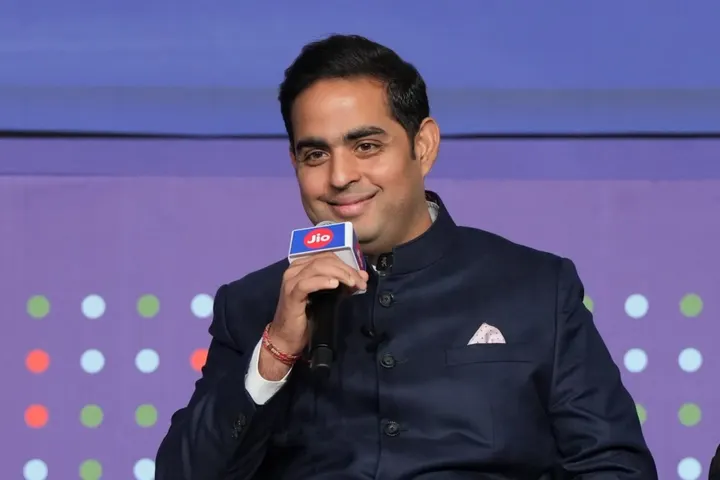
In 2016, Jio entered what was then a crowded Indian telecom market, offering free data and low-cost services. That helped it quickly win customers from established operators, including Bharti Airtel, Vodafone Idea, and state-owned BSNL. It has since become the country’s largest telecom operator. Akash Ambani (pictured above), Jio Platforms’ managing director, said at Wednesday’s listing ceremony that its platforms serve more than 540 million customers. Jio’s prices are now broadly in line with those of its rivals’, but its business has expanded into broadband, cloud services, and AI.
Akash, Mukesh Ambani’s eldest son, has taken on a larger role in Jio as his father gradually hands more responsibility to the next generation of Reliance’s leadership. At the listing ceremony, he said he wants Jio to become a global technology company. “My dream is that one day, when the world counts its great technology companies, one of them will be from India, and that company will be called Jio Platforms Limited,” he said.
Jio made ₹300.5 billion (about $3.2 billion) in profit on revenue of ₹1.47 trillion (around $15.5 billion) in the fiscal year ended March 2026, with both figures up about 15% from a year earlier. In the June quarter, Jio’s revenue grew nearly 12% and profit rose 9%.
From the IPO proceeds, Jio plans to use up to ₹275 billion (about $2.9 billion) to repay debt at its telecom subsidiary, Reliance Jio Infocomm, with the remainder going toward general corporate purposes. Jio had total borrowings of ₹613.7 billion (around $6.5 billion) as of June 30.
Jio drew billions of dollars from American investors during the COVID-19 pandemic in 2020. Meta, then known as Facebook, invested $5.7 billion, while Google put in $4.5 billion. General Atlantic, Silver Lake, and Vista Equity Partners were among the other investors that backed the company. None sold shares in the IPO, which consisted entirely of newly issued shares.
Source report: TechCrunch.
گزارش فارسی این خبر با کمک هوش مصنوعی و فقط بر اساس اطلاعات منتشرشده در منبع تهیه شده است.