آینده زیستشناسی با هوش مصنوعی؛ آنتروپیک در پرونده عرضه عمومی نگاه واقعبینانهتری اتخاذ کرد
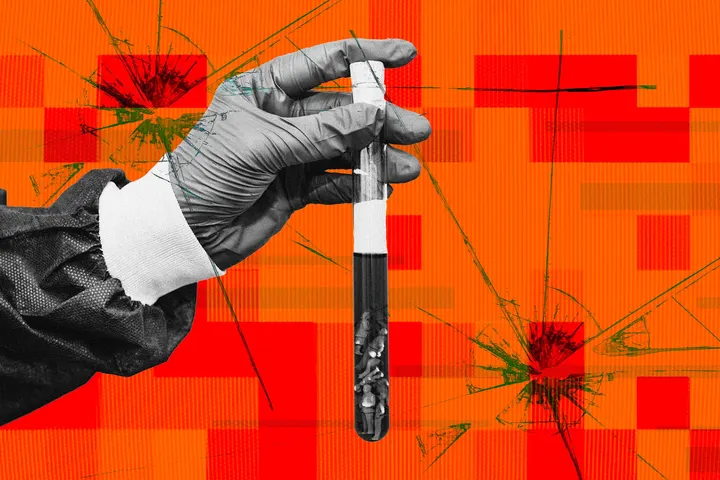
شرکت آنتروپیک پیشتر ادعا کرده بود که مدلهای هوش مصنوعی این شرکت میتوانند پیشرفتهای علمی عظیمی در حوزه زیستشناسی ایجاد کنند. با این حال، در پرونده عرضه اولیه سهام این شرکت، لحن محتاطانهتری اتخاذ شده و به چالشهای طولانیمدت و پرهزینه توسعه دارو اشاره شده است.
شرکت آنتروپیک و مدیرعامل آن، داریو آمودی، پیش از این بارها ادعا کرده بودند که سیستمهای هوش مصنوعی این شرکت قادرند پیشرفتهای چند صد ساله زیستشناسی را طی چند سال محقق کنند. اما در پرونده عرضه اولیه سهام (IPO) که اخیراً منتشر شد، این شرکت رویکردی بسیار محتاطانهتر در پیش گرفت و به کمبود تجربه خود در زمینه آزمایشهای فیزیکی و موانع توسعه دارو اذعان کرد.
در حالی که مدیران آنتروپیک همچنان به پتانسیل هوش مصنوعی در تسریع پژوهشهای پزشکی خوشبین هستند، سند مالی جدید یادآور میشود که فعالیت در حوزه علوم زیستی نیازمند خروج از حوزه سنتی نرمافزار و ورود به فرآیندهای فیزیکی است. این اقدامات شامل مدیریت مواد خطرناک، راهاندازی تجهیزات آزمایشگاهی و رعایت قوانین پیچیده سازمانهای نظارتی خواهد بود.
همچنین پرونده اشاره میکند که هرگونه کاندیدای دارویی یا کشف جدید باید مسیر طولانی، پرهزینه و نامطمئن آزمایشهای بالینی روی حیوانات و انسانها را طی کند تا ایمنی و اثربخشی آن اثبات شود. این چالشها نشان میدهد که حتی با کمک هوش مصنوعی، فرآیند سنتی کشف دارو زمانبر و نیازمند اثبات در دنیای واقعی است.
Anthropic Says It Will Revolutionize Biology—Some Day
In breathless press releases and posts, the company has touted its models’ ability to deliver scientific breakthroughs. But its IPO filing taps the brakes on just how fast its AI will lead to big discoveries.
AI giant Anthropic and CEO Dario Amodei have repeatedly claimed that the company’s models will revolutionize biology and drug discovery. But in its IPO filing Monday, Anthropic struck a humbler note, acknowledging its lack of experience in physical experimentation and the potential pitfalls of drug development. Wherever it’s going, it seems, it will take some time to get there.
Two years ago, Amodei wrote that he was “open” to the idea that AI systems could produce a thousand years of progress in biology in just five to 10 years. In August, he said on X that “Anthropic is ramping up its efforts very quickly in biology and medicine.” In the same post, he predicted that AI will make it possible to cure most human diseases in the next five to 10 years and promised a “deluge of AI-accelerated drugs.” The company also promoted the discovery of a “Crispr-like” enzyme by Claude in September.
While the new IPO filing still touts AI’s ability to “profoundly accelerate the rate of progress in biology and medicine” and compress “decades of scientific progress into years,” it’s reserved about how it will turn the potential into the actual.
The company says that its teams “need first-hand experience doing scientific research and drug discovery” and that its life sciences activities will require it “to engage in activities outside our historical experience as a software and research organization.” That includes handling potentially hazardous materials, operating laboratory equipment, and complying with a bevy of regulations.
Anthropic also toned down its language about its enzyme discovery, saying it “might have the potential to be developed into a novel biotechnology tool, perhaps for gene editing.” (Italics added for emphasis.) Researchers previously told WIRED they were skeptical of the enzyme discovery’s value and utility, and one scientist who had been studying these exact enzymes became suspicious that Claude used his research. (The company said neither its model nor its molecular biology team would have had access to this material.)
The IPO filing indicates that Anthropic no longer sees itself solely as an outside provider of AI tools to the biotech industry; it sees biotech discovery as a core part of its business model. And like all biotech companies, it faces the long timeline of drug development. Any AI-assisted discoveries still have to be researched in a test tube, then in animals, and eventually in people. Even if AI could help sort out which new drugs or targets will work in humans versus those likely to be duds, it will still take years of testing to prove their safety and efficacy.
Anthropic recognizes these challenges in its filing. “Any drug candidates or other discoveries resulting from these efforts would face the lengthy, costly, and uncertain development and regulatory pathways characteristic of the life sciences industry, and may never generate revenue,” the filing says. (For his part, Amodei made the case in his August X post for streamlining regulations for the coming wave of AI-generated drugs.)
US Securities and Exchange Commission filings are generally more cautious than statements made by companies or their executives, given the legal risks of overstating claims to would-be investors. And the IPO makes clear that the company believes its technology will drive revolutionary advancements.
But as Anthropic pushes further into biological discovery, it will face the same conundrum as other biotech companies: proving their worth in trials that can’t be hastened simply by adding computers.
Source report: Wired AI.
گزارش فارسی این خبر با کمک هوش مصنوعی و فقط بر اساس اطلاعات منتشرشده در منبع تهیه شده است.