مدیران پیشین پالانتیر استارتاپ Dream را با سرمایه ۱۷ میلیون دلاری a16z برای ساخت مدلهای جهانی هوش مصنوعی در ساختوساز راهاندازی کردند
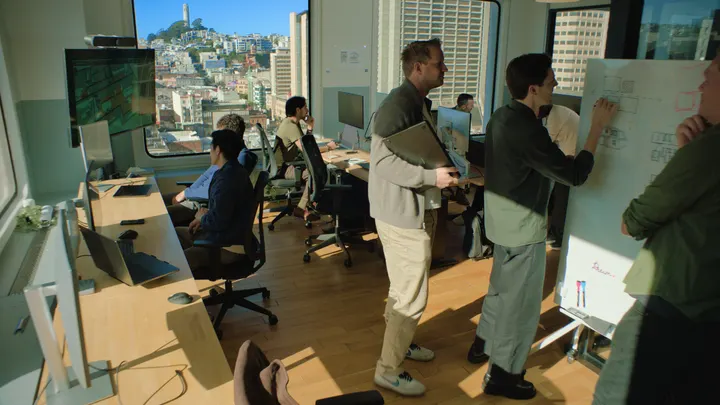
استارتاپ Dream با جذب ۱۷ میلیون دلار سرمایه به رهبری Andreessen Horowitz قصد دارد صنعت ساختوساز و معماری را با استفاده از مدلهای جهانی هوش مصنوعی دگرگون کند. این مدل بر اساس میلیونها فوت مربع دادههای پروانههای ساختمانی آموزش دیده است.
اندی آلدر و ارجون ماتر، هماتاقیهای پیشین دانشگاه استنفورد و مدیران سابق شرکت پالانتیر، استارتاپی به نام Dream را برای تحول در صنعت معماری، مهندسی و ساختوساز (AEC) تأسیس کردهاند. این استارتاپ توانسته ۱۷ میلیون دلار سرمایه اولیه به رهبری Andreessen Horowitz و مشارکت سرمایهگذارانی نظیر SV Angel و Zigg Capital جذب کند تا جایگزینی برای ابزارهای قدیمی مانند AutoCAD و Revit شرکت Autodesk بسازد.
با وجود افزایش هزینههای ساختوساز و کاهش ساختوسازهای فیزیکی در دهههای اخیر، فناوری نقش کمی در بخش طراحی مهندسی داشته است. در حالی که مدلهای زبانی بزرگ مانند ChatGPT توانایی تولید تصویر ساختمان را دارند، خروجی آنها از نظر سازهای قابل اتکا نیست. در مقابل، استارتاپ Dream مدل جهانی خود را بر اساس بیش از ۱۰۰ میلیون فوت مربع دادههای پروانههای ساختمانی آرشیو شده در سراسر ایالات متحده آموزش داده است تا طراحیهای کاملاً دقیق و منطبق بر فیزیک واقعی ارائه دهد.
این مدل که رویکرد آن «شناخت سازهای» نامیده میشود، اجزای داخلی ساختمان مانند لولهکشی و سیستمهای تهویه را در طراحیها لحاظ میکند. پلتفرم Dream در حال حاضر در ۱۰ پروژه فعال در ایالتهای تگزاس و کالیفرنیا به کار گرفته شده است تا به متخصصان در مفهومسازی طرحها و برآورد هزینهها کمک کند.
Ex-Palantir execs launch Dream with $17M from a16z to build AI world models for construction
rained on 100 million square feet of building permits, dream wants to disrupt Autodesk with AI.
Andy Alder and Arjun Mather were Stanford roommates who both studied computer science before spending a decade at Palantir. Alder led product design for a team of 800 people building software for U.S. defense and intelligence agencies, while Mather served as a senior vice president in the company’s commercial practice. When the friends decided to build a startup early last year, there was no question they would do it together.
Despite having no direct background in architecture, Alder and Mather were troubled by a growing problem: fewer buildings are constructed in the U.S. today than a few decades ago, as development costs have surged.
“We’ve gone from dial-up internet to super intelligent AI, but our ability to build the physical world around us has actually decreased,” Mather told TechCrunch.
Believing AI can boost productivity across the architecture, engineering, and construction (AEC) industry, they set out to build Dream, a startup developing world models that automate building design and engineering. Dream has emerged from stealth with $17 million in seed funding led by Andreessen Horowitz, alongside other backers including SV Angel, XYZ, and Zigg Capital. The startup aims to replace cumbersome, outdated AEC tools like Autodesk’s AutoCAD and Revit.
If you sit next to an architect or a structural engineer, you’ll notice that they are still “drawing” every piece of their designs part-by-part on legacy software, Mather said. “AI really plays no role in that equation.”
While a standard LLM like ChatGPT can generate an image of a building, the result won’t be structurally sound. Dream, by contrast, is grounded in real physics and construction standards. Just as LLMs learn from text, Dream’s world model is trained on more than 100 million square feet of building data gathered from permit archives across the United States.
“Our model actually understands what’s within those walls. What materials are used, what the beams are made of, and how much weight they can support,” Alder said.
The startup calls its approach “structural cognition” because its model generates structurally precise designs that account for internal building elements like plumbing and HVAC.
Dream has already begun selling its product to AEC professionals and developers, who use the model to conceptualize building designs and estimate overall costs, according to the founders. The platform is already deployed across 10 active projects in Texas and California.
While Dream isn’t the only company attempting to update AEC software with AI – other startups working on this include Motif, Snaptrude and Arcol—Alder and Mather claim that they are the only ones that developed a world model that instantly designs whole buildings.
Kimberly Tan, a partner at Andreessen Horowitz, said that while the firm first invested in Dream over a year ago, when the startup model was just an idea, she has been extremely impressed with their progress. “I have not seen anybody take the technical approach,” she said. “They’re doing everything based on their own models.”
Source report: TechCrunch AI.
گزارش فارسی این خبر با کمک هوش مصنوعی و فقط بر اساس اطلاعات منتشرشده در منبع تهیه شده است.