رقیب جدید Rokid برای عینکهای هوشمند متا معرفی شد
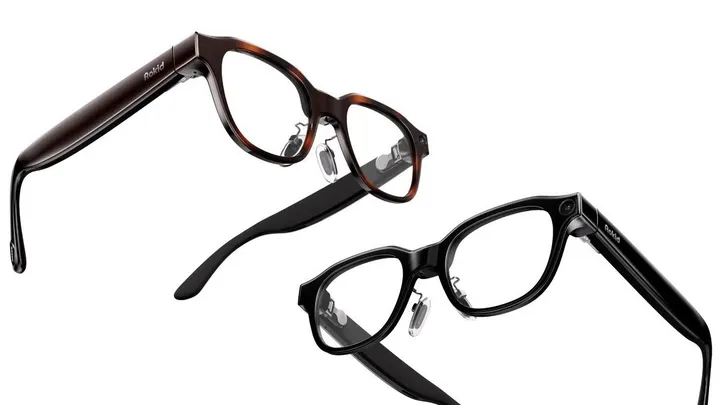
شرکت Rokid از دو عینک هوشمند جدید به نامهای Rokid Color و Rokid Glasses 2 رونمایی کرد. این محصولات با قابلیتهای پیشرفته و نمایشگرهای میکروLED مجهز شدهاند و قرار است در نمایشگاه CES ۲۰۲۷ به صورت جهانی عرضه شوند.
شرکت Rokid از عینکهای هوشمند جدید خود شامل Rokid Color و Rokid Glasses 2 رونمایی کرد. مدل Color دارای نمایشگرهای تمام رنگی میکروLED است و عینک Glasses 2 از یک نمایشگر موجبر میکروLED بهره میبرد. این شرکت برنامهریزی کرده است تا هر دو جفت عینک هوشمند را در رویداد CES ۲۰۲۷ به بازار جهانی معرفی کند.
عینک Rokid Color به عنوان رقیبی برای محصولات متا طراحی شده و مجهز به نمایشگرهای میکروLED تمام رنگی ۰.۱۶ سیسی است. این عینک تنها ۵۵ گرم وزن دارد و کاربران میتوانند آن را از طریق لمس روی دسته، ساعت هوشمند، فرمانهای صوتی یا یک انگشتر هوشمند اختصاصی کنترل کنند. انگشتر هوشمند Rokid علاوه بر پشتیبانی از بازیهای کوچک، قابلیتهای سلامتی مانند پایش ضربان قلب، دمای بدن، سطح اکسیژن خون و کیفیت خواب را ارائه میدهد و قیمت آن حدود ۲۵۵ دلار تعیین شده است.
مدل دوم یعنی Rokid Glasses 2 بهبودهایی نسبت به نسل قبل داشته که شامل دستههایی با قابلیت باز شدن تا ۲۲ درصد بیشتر، بالشتکهای بینی راحتتر و لنزهای با بازتاب نور کمتر است. این عینک از پردازندههای BES2800BP و Snapdragon AR1 Plus استفاده میکند، صدای دالبی را پشتیبانی میکند و دارای دوربین ۱۲ مگاپیکسلی با قابلیت ضبط ویدیو با کیفیت بالا است. این دستگاه همچنین از دستیارهای هوش مصنوعی مانند Codex و OpenClaw پشتیبانی میکند.
عینک Rokid Color در دو پیکربندی مختلف عرضه خواهد شد که قیمت مدل ارزانتر حدود ۷۵۰ دلار و مدل گرانتر حدود ۸۲۵ دلار است. عینک Rokid Glasses 2 نیز در رنگهای مختلف با قیمتهای تقریبی ۵۵۵ تا ۵۷۷ دلار به فروش میرسد.
Rokid takes on Meta Ray-Ban Displays with its own rival
Credit: Notebookcheck TL;DR The Rokid Color and Rokid Glasses 2 have been announced. The Color features 0.16cc microLED full-color displays, and the Glasses 2 have a single microLED waveguide display. The company plans to globally debut both pairs of smart glasses at CES 2027. Since Meta began leading the smart glasses market, many brands have been working to snatch its crown. Among them, Rokid may be one of the…
Affiliate links on Android Authority may earn us a commission. Learn more.
Rokid takes on Meta Ray-Ban Displays with its own rival
Oct 29, 2026 — 12:19 PM ET
- The Rokid Color and Rokid Glasses 2 have been announced.
- The Color features 0.16cc microLED full-color displays, and the Glasses 2 have a single microLED waveguide display.
- The company plans to globally debut both pairs of smart glasses at CES 2027.
Since Meta began leading the smart glasses market, many brands have been working to snatch its crown. Among them, Rokid may be one of the best alternatives out there. Earlier this year, the company launched a viable competitor to the Ray-Ban Meta in the Rokid AI Glasses Style. Now it’s launching a second-generation model of the Rokid Glasses and a rival to the Meta Ray-Ban Display.
Rokid Color
Starting with the Meta Ray-Ban Display rival, Rokid has announced the Rokid Color. According to Notebookcheck, these smart glasses are equipped with 0.16cc microLED full-color displays. These displays offer 167% sRGB color gamut and 100% sRGB color coverage. They also only weigh 55g, which is 14g and 15g lighter than the standard and large Meta Ray-Ban Display.
You’ll be able to control these glasses via the touchpad located on the temple, with your smartwatch/smartband, or with your voice. Rokid is also selling a smart ring (sold separately) that will let you control the glasses through gestures and touch controls. Additionally, it’s said there will be support for eye-tracking.
The Rokid Ring also opens some additional possibilities. It’s reported that you’ll be able to play mini games on the Rokid Color by using the smart ring as a game controller. This is a traditional smart ring, so you can expect it to also offer health insights, including heart rate monitoring, body temperature, SpO2 levels, calories, and sleep tracking. It’s said to cost CNY 1699, which would be about $255 in US dollars.
Rokid Glasses 2
The Rokid Glasses 2 are said to improve upon the original, with temples that open up to 22% wider than before. According to Notebookcheck, the company also made the nose pads more comfortable and more skin-friendly. Another improvement is that the included lenses are 70% less reflective.
These smart glasses maintain the previous IPX4 rating. They also still support magnetic clip-on prescription lenses if you have them. And you can expect the same amount of RAM and storage (2GB/32GB) to carry over from the original.
As for specs, there’s a single microLED waveguide display (green display). This display has a 480×380 resolution, 25-degree field of view, and 1,500 nits of brightness. Inside are two processors, BES2800BP and the Snapdragon AR1 Plus, an upgrade from the previous Snapdragon AR1 chip. Rokid has upgraded the speakers as well, bringing support for Dolby Audio. Along with that are four omnidirectional microphones and a bone conduction microphone.
There’s a 12MP camera that can record in 4K at 30fps, 2K at 60fps, and 1080p at 60fps. Something notable about this camera is that it features a super night video algorithm, which Rokid says is a first in the industry. Other notable details include Bluetooth 5.3, Wi-Fi 7, a 263mAh battery, and support for AI agents like Codex and OpenClaw.
Availability
While these smart glasses have launched in China, Rokid reportedly plans on making a global announcement at CES 2027. The Rokid Color glasses will be available in Black and Tortoiseshell, and there will be two configurations: a 2GB/64GB model and a 4GB/64GB model. The cheaper model will cost CNY 4,999 (~$750), while the more expensive variant costs CNY 5499 (~$825).
The Rokid Glasses 2 will also come in Black and Tortoiseshell. While there is only one configuration, the Tortoiseshell model will cost a little more. Black comes with a CNY 3699 (~$555) price tag, and Tortoiseshell will cost CNY 3849 (~$577).
Source report: Android Authority.
گزارش فارسی این خبر با کمک هوش مصنوعی و فقط بر اساس اطلاعات منتشرشده در منبع تهیه شده است.