بحران کمبود قطعات PCB به دلیل تقاضای هوش مصنوعی؛ زمان تحویل سفارشها به ۳۰ ماه رسید
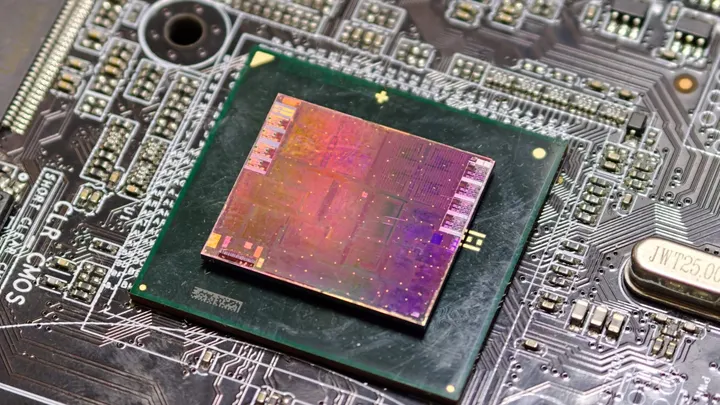
تبوتاب هوش مصنوعی منابع تولیدی سازندگان سختافزار را به خود اختصاص داده و صنعت رایانه را با بحران جدی کمبود بردهای مدار چاپی (PCB) مواجه کرده است. افزایش سرسامآور هزینههای مواد اولیه و تکمیل ظرفیت خطوط تولید تا سال ۲۰۳۰، چالشهای تازهای را برای بازار رایانههای شخصی ایجاد کرده است.
صنعت هوش مصنوعی به بلعیدن منابع تولیدی که زمانی به رایانهها، دستگاههای هوشمند و گجتها اختصاص داشت، ادامه میدهد. پس از افزایش قیمت قطعاتی مانند رم، پردازندههای گرافیکی و اساسدی، اکنون نوبت به یکی از پایهایترین نیازهای الکترونیکی یعنی بردهای مدار چاپی یا همان PCB رسیده است. مدیران صنایع رایانه و PCB هشدار دادهاند که در ماههای آینده شاهد کمبود و افزایش قیمت این قطعات خواهیم بود.
یک مدیر ناشناس از یک شرکت رایانهای آمریکایی اعلام کرد که با وجود احتمال کاهش عرضههای رایانه در سال آینده، این صنعت همچنان برای تامین نیازهای خود با مشکل مواجه است. تقاضای بالای محصولات هوش مصنوعی ظرفیت تولید را به شدت درگیر کرده است. برخی سازندگان PCB گزارش دادهاند که زمان تحویل برخی سفارشها دو برابر شده و به ۳۰ ماه رسیده است؛ به طوری که سفارشهای جدید تا اواخر سال ۲۰۲۸ تحویل داده نخواهند شد.
این در حالی است که هزینههای مواد اولیهای مانند ورقه کلاد مس (CCL) از ماه ژوئیه حداقل ۱۲ برابر افزایش یافته است. یکی از تامینکنندگان پیشروی CCL اعلام کرده که دفترچه سفارشات این شرکت تا سال ۲۰۳۰ تکمیل شده است. همچنین شرکتهای بزرگ سازنده زیرلایههای تراشه مانند ایبیدن ژاپن، سامسونگ الکترو-مکانیکس و یونیمیکر تایوان نیز برای پاسخگویی به تقاضاها به دنبال توسعه ظرفیتهای خود هستند.
AI demand triggers massive PCB shortage for PC makers as order books full until 2030 — lead times stretch to 30 months as material costs surge 12x
The AI industry continues to gobble up manufacturing resources that were once dedicated to serving PC, smart device, and gadget makers. We’ve seen huge demand/supply driven price rises in RAM , GPUs, SSDs, and more through 2026. Now that most basic and unglamorous electronics necessity, the PCB, looks set to join them. A news report published by Nikkei Asia quotes several leading PC and PCB industry managers, making…
AI demand triggers massive PCB shortage for PC makers as order books full until 2030 — lead times stretch to 30 months as material costs surge 12x
The AI craze is now coming for our PCBs.
The AI industry continues to gobble up manufacturing resources that were once dedicated to serving PC, smart device, and gadget makers. We’ve seen huge demand/supply driven price rises in RAM, GPUs, SSDs, and more through 2026. Now that most basic and unglamorous electronics necessity, the PCB, looks set to join them. A news report published by Nikkei Asia quotes several leading PC and PCB industry managers, making it clear we are going to see PCB (and PCB subcomponent) shortages and price rises in the coming months.
An unnamed exec from an American PC maker spoke to Nikkei about the dire shortage of PCBs. “Even though PC shipments could decline again next year, we are still struggling to secure enough PCB supplies to meet our needs,” said the manager, who asked to remain anonymous. They were talking about securing enough supplies to make plans for products in the coming year. Several commenters pointed to AI computing demand eating up production capacity.
The outlet also talked to business people further up the supply chain – the makers of PCBs and the makers of the components/materials needed to actually make PCBs. Traditional PCB demand is becoming underserved as AI products demand and pay more. One PCB maker talking to Nikkei said that a significant number of products have lead times that have doubled. Specifically, some PCB orders will take as long as 30 months to fulfill. Another PCB supply firm explained to Nikkei that a new order today would not be fulfilled until late in 2028.
Though PCB makers are planning to invest and expand, they also need to secure multiple upstream materials. These can include copper clad laminates (CCLs) and the specialized fiberglass used for PCB construction.
One Taiwanese PC maker noted that costs for CCLs have surged at least 12 times since July. Moreover, one of the world’s leading suppliers of CCLs has told the Nikkei that it has an order book that is currently filling up to 2030. This situation appears to have occurred despite its plans to triple capacity by 2028.
In closely related developments, Nikkei observed that Nvidia recently announced partnerships with several major chip substrate makers. Chip substrates are essentially the tiny and intricate PCBs that CPUs and GPUs are mounted on. Japan's Ibiden, South Korea's Samsung Electro-Mechanics, and Unimicron of Taiwan all have new agreements with the Green team. Unimicron is looking at expanding capacity by 2.5x over the next three years.
PCBs have been viewed as an unglamorous lower-tech part of the supply chain, partly due to the small numbers on the BoM. That may change. Companies are now racing to ramp up production of advanced PCBs and chip substrates to meet demand, and boost income.
Get Tom's Hardware's best news and in-depth reviews, straight to your inbox.
Finally, the source report also notes that it is increasingly difficult to get the engineering staff required at new production facilities. Salaries have already risen 20% to 30% across the PCB industry to keep skilled employees.
Follow Tom's Hardware on Google News, or add us as a preferred source, to get our latest news, analysis, & reviews in your feeds.
Mark Tyson is a news editor at Tom's Hardware. He enjoys covering the full breadth of PC tech; from business and semiconductor design to products approaching the edge of reason.
Source report: Tom's Hardware.
گزارش فارسی این خبر با کمک هوش مصنوعی و فقط بر اساس اطلاعات منتشرشده در منبع تهیه شده است.