قابلیت جدید فیتبیت؛ گامی رو به جلو در ردیابی غیرتهاجمی قند خون
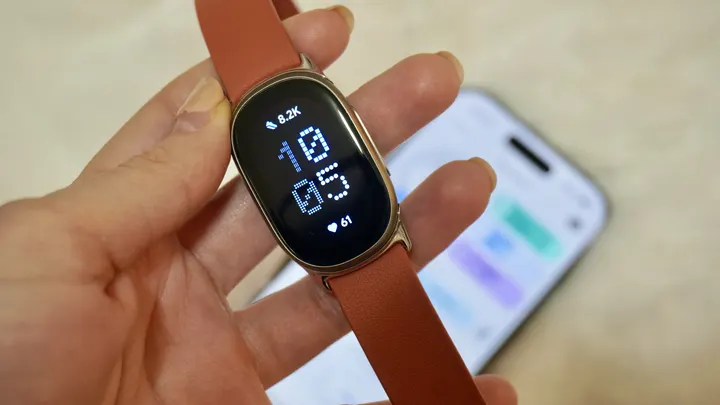
گوگل قابلیتهای جدید بررسی مقاومت به انسولین و روند فشار خون را به دستگاههای فیتبیت ایر و فیتبیت ادج اضافه کرد. این ویژگیها که برای مشترکان گوگل هلث پرمیوم ارائه شدهاند، گامی در جهت توسعه مدلهای پیشبینیکننده سلامت محسوب میشوند.
شرکت گوگل قابلیتهای جدیدی برای سنجش مقاومت به انسولین و روند فشار خون به دو دستگاه فیتبیت ایر و فیتبیت ادج اضافه کرده است که این ابزارها را از سطح ردیابی ساده تناسب اندام فراتر میبرد. این ویژگیهای تازه بخشی از ابزارهای نظارتی گوگل برای ساعتهای هوشمند پیکسل واچ و فیتبیت به شمار میروند. این قابلیتها به طور انحصاری برای کاربران اشتراک گوگل هلث پرمیوم در دسترس است؛ اشتراکی که دسترسی به مربی سلامت مبتنی بر هوش مصنوعی و ردیابی پیشرفته خواب را فراهم میکند. مدل مقاومت به انسولین گوگل با تحلیل ضربان قلب، سطح فعالیت، خواب و سایر معیارها، تغییرات سلامت متابولیک را نشان میدهد. فیتبیت همچنین الگوهای فشار خون را بدون نیاز به کاف ردیابی کرده و در پایان ماه نتایج را به کاربران ارائه میدهد. توسعه این مدلهای چندوجهی نشان میدهد که گوگل در حال نزدیک شدن به فناوری ردیابی غیرتهاجمی قند خون است.
Why this new Fitbit feature takes us one step closer to non-invasive glucose tracking
Insulin resistance and blood pressure trends are now available on two new Fitbit devices.
ZDNET’s key takeaways
- Insulin resistance and blood pressure trends are coming to the Fitbit Air and Fitbit Edge.
- These new features are available for Google Health Premium users only.
- The news points at Google’s greater health mission in developing a continuous glucose monitor.
Google just added insulin resistance and blood pressure trends to the Fitbit Air and Edge, taking these devices beyond basic fitness monitoring and sleep tracking and into deeper health insights. The new features are part of Google’s “Health Guardian” suite of proactive safety tools for the Pixel Watch and Fitbit.
Also: Are AI health coach subscriptions a scam? My verdict after testing Fitbit’s for a month
They’re available solely for Google Health Premium users, a $100 annual subscription that grants users access to Google’s AI health coach, advanced sleep tracking, and a more expansive selection of health-tracking features.
More from ZDNET
While it doesn’t measure your insulin or glucose outright, its algorithm analyzes heart rate, activity level, sleep, and other metrics to show changes in metabolic health. The Fitbit will also track your blood pressure patterns without a cuff, monitor your pulse while you’re asleep or awake, and, at the end of the month, provide you with insights. Eligible Fitbit Air and Fitbit Edge users who have worn their device for five days or more will see this insight in the Health tab of the app.
Similar to blood pressure trends, the insulin resistance feature uses Fitbit sensors to monitor shifts in metabolic health. Insulin resistance is a precursor to type 2 diabetes, potentially giving users insight into changes in their insulin levels in a less invasive way, but pointing more toward overall trends than a direct diagnosis.
Unlike a continuous glucose monitor, which penetrates the skin and uses blood to gather metabolic data, the insulin resistance feature was built to assess biometric and metabolic patterns through its multimodal model. Google trained its insulin resistance model on data gathered by other wearables as well as compiled demographic data, according to its paper in Nature.
Also: I tested Google’s Fitbit Edge – its standout feature also left me wanting more
Once the feature detects elevated insulin resistance patterns, it notifies the user to take additional action. Fitbit users can even connect their Abbott CGM to the Google Health app for additional glucose monitoring. By offering these Health Guardian features to more devices than just its flagship Pixel Watches, Google is giving more users — specifically budget-conscious users who own a $100 and $180 Fitbit Air or Edge — the ability to track and stay ahead of some common and serious health conditions.
While the insulin resistance feature is nowhere near the capabilities of a non-invasive CGM, Google’s development of a multimodal model for tracking biometric responses to insulin activity suggests the company is getting closer to that non-invasive reality.
Non-invasive glucose monitoring is like the foldable phone of wearable technology. It’s a product idea that’s been around for years now, and every tech company is racing to deploy its own, with varying degrees of success and adoption. Even Steve Jobs had dreams of an Apple glucose monitor that people could use — no finger prick necessary. Rumors suggest that Apple has also been working on this for years now.
But Google might be a few steps ahead of Apple on this one. Its deployment of insulin resistance trends to new Fitbit devices is one way it is advancing toward a CGM that uses algorithmic AI instead of needles and blood.
Source report: ZDNET AI.
گزارش فارسی این خبر با کمک هوش مصنوعی و فقط بر اساس اطلاعات منتشرشده در منبع تهیه شده است.