هزینه واقعی نگهداری از گوشیهای تاشو؛ بررسی مالی گلکسی زد فولد ۸ و آیفون Duo
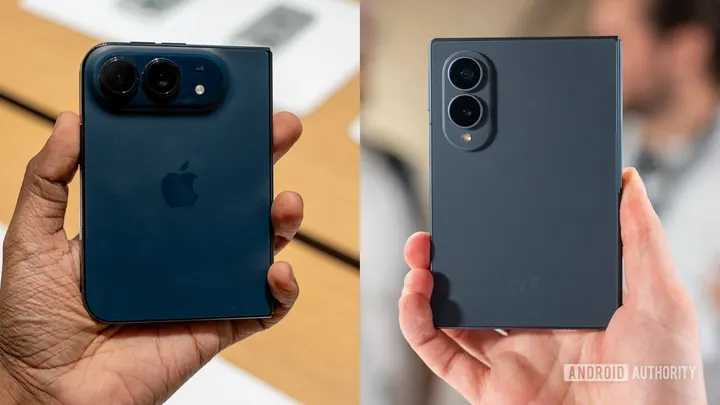
خرید گوشیهای تاشو مانند سامسونگ گلکسی زد فولد 8 و اپل آیفون Duo تنها به قیمت اولیه ختم نمیشود. هزینههای جانبی، لوازم جانبی، افت ارزش و قیمتهای سرسامآور تعمیرات نمایشگر، نقش مهمی در هزینه کل مالکیت در طول یک سال دارند.
پرداخت قیمت بالا برای گوشیهای تاشویی مانند سامسونگ گلکسی زد فولد ۸ یا آیفون Duo ممکن است با توجه به قابلیتهای آنها منطقی به نظر برسد، اما قیمت خرید اولیه تنها بخشی از ماجرا است. هزینههای لوازم جانبی، تعمیرات احتمالی و افت ارزش در طول سال اول میتواند هزینههای واقعی نگهداری را به شدت افزایش دهد. بررسی هزینه کل مالکیت کمک میکند تا مشخص شود کدام دستگاه در نهایت مقرونبهصرفهتر خواهد بود.
در زمان عرضه، سامسونگ گلکسی زد فولد ۸ با قیمت پایه ۱۸۹۹.۹۹ دلار برای مدل ۲۵۶ گیگابایتی عرضه شد، در حالی که اپل قیمت پایهای بالاتری را برای آیفون Duo با قیمت ۱۹۹۹ دلار برای مدل ۲۵۶ گیگابایتی در نظر گرفت. قیمت نسخههای با ظرفیت بالاتر این دستگاهها حتی به مراتب بیشتر است. با توجه به آسیبپذیری گوشیهای تاشو، استفاده از قاب و لوازم جانبی ضروری است که هزینهای حدود ۷۰ تا ۱۱۸ دلار را به مالکان در طول سال اول تحمیل میکند. خرید شارژرهای سازگار نیز هزینه اضافی بین ۳۹ تا ۵۰ دلار به همراه دارد.
یکی از مهمترین عوامل در هزینه نگهداری، خطر آسیب دیدن نمایشگرهاست. گارانتی استاندارد خسارتهای ناشی از ضربه را پوشش نمیدهد و هزینه تعمیر نمایشگر داخلی برای آیفون Duo به رقم سرسامآور ۹۹۹ دلار میرسد، در حالی که تعویض صفحه نمایش داخلی زد فولد ۸ حدود ۵۷۹ دلار هزینه دارد. به همین دلیل، استفاده از طرحهای حفاظتی مانند AppleCare Plus یا Samsung Care Plus با وجود هزینههای اولیه اشتراک، میتواند هزینههای تعمیرات تصادفی را به شدت کاهش دهد.
افت ارزش دستگاههای تاشو نیز مسئلهای جدی است. نسلهای قبلی زد فولد ممکن است تا ۶۵ درصد از ارزش اولیه خود را در عرض ۱۲ ماه از دست بدهند، و آیفون Duo نیز با توجه به روند بازار مشمول افت ارزش قابلتوجهی خواهد شد. در حالی که آیفون Duo قیمتهای اولیه و هزینههای خدمات بالاتری دارد، ارتقای آن پس از یک سال ممکن است به شرط حفظ ارزش دستگاه معامله بهتری باشد، اما سامسونگ با ارائه تخفیفها و هزینههای قابل پیشبینیتر، گزینه اقتصادیتری ارائه میدهد.
The true cost of folding: What a Galaxy Z Fold 8 or iPhone Duo costs to own for a year
Credit: Aamir Siddiqui / Android Authority Paying a premium for the Samsung Galaxy Z Fold 8 or the iPhone Duo might seem justified when you consider what each phone offers. But the purchase price is only part of the story. Over the next year, accessories, potential repair bills, and depreciation can all add to the cost of ownership, making that initial price tag a less reliable indicator of what you’ll actually…
Affiliate links on Android Authority may earn us a commission. Learn more.
The true cost of folding: What a Galaxy Z Fold 8 or iPhone Duo costs to own for a year
Oct 30, 2026 — 5:30 AM ET
Paying a premium for the Samsung Galaxy Z Fold 8 or the iPhone Duo might seem justified when you consider what each phone offers. But the purchase price is only part of the story. Over the next year, accessories, potential repair bills, and depreciation can all add to the cost of ownership, making that initial price tag a less reliable indicator of what you’ll actually spend.
That’s where total cost of ownership (TCO) comes in. I’ll break down the estimated cost of owning each foldable for its first year, then see how a single accident, such as a damaged screen, could tip the scales. With the Z Fold 8’s projected depreciation, the eye-watering cost of replacing the iPhone Duo’s screen, and lingering questions about durability, let’s attempt to find out which foldable will actually be cheaper to own.
Which foldable makes more financial sense to you?
The upfront cost: What you pay before using either phone
At launch, the Samsung Galaxy Z Fold 8 was priced at:
- $1,899.99 (for the base 256GB/12GB model)
- $2,099.99 (512GB/12GB)
- $2,499.99 for the 1TB/16GB top-tier version.
Meanwhile, Apple set a pricier baseline across all storage configurations for the iPhone Duo:
- $1,999 (for the 256GB model)
- $2,199 (512GB)
- $2,599 (1TB)
- A whopping $3,199 for the 2TB version.
I think not many people are willing to go completely caseless — it would be very risky. Regarding first-party cases, Apple currently offers only two options: $79 for a normal case and $129 for a Folio with a kickstand.
The corresponding prices for Samsung are slightly lower, ranging from $24.99 for an anti-reflective film case to $109.99 for a carbon standing or magnet case. Prices in the vibrant third-party accessories market range from $30 to $100 for both — with Spigen, ESR, and Torras emerging as favored brands.
As case selection is optional and subjective, the figures here are rough estimates. I’ll list $79 for an iPhone Duo case, covering Apple’s baseline option or a third-party one with a kickstand, and a $70 average for a Z Fold 8 cover.
Both phones come with a USB-C-to-C cable in the box, so you likely won't need to buy one right away.
For other accessories, it makes sense to keep your old charger if it’s fairly new and from a reliable brand. But as we’re talking about a year, you may need to buy a new one at some point. An Apple 40W dynamic power adapter with 60W max costs $39, whereas a Samsung 45W PD power adapter is priced at $49.99 (which drops to $47.50 at certain times). Both phones come with a USB-C-to-C cable in the box, so you likely won’t need to buy one right away.
At this point, you’ve already paid an extra $118 for the iPhone Duo ($79 for the case + $39 for the charger from the Apple Store) and roughly $120 for the Z Fold 8 ($70 for the case + $50 for the charger) during the first year of use. You can save some of this money based on your needs, but the numbers may increase if you like a more diverse ecosystem of accessories.
Warranty vs paid protection: What happens when something goes wrong?
Both Apple and Samsung provide a one-year standard warranty that covers manufacturing defects, such as power supply issues or a jammed hinge. While green/pink line issues are identified as manufacturing faults, further checks are necessary to determine whether the phone has been subjected to external impact or to water exposure beyond rated limits.
Within this basic warranty package, Samsung charges $139 for outer screen repair, $419 for inner screen repair, and $579 for full inner-screen module replacement. Meanwhile, Apple sets significantly higher prices: $379 for outer display damage and a whopping $999 for the inner display – nearly half the price of the base model. Other damage to the iPhone Duo can even cost the owner up to $1,499.
Apple sets significantly higher prices: $379 for outer display damage and a whopping $999 for the inner display.
These formidable repair/replacement fees justify the extra costs for Care Plus packages. AppleCare Plus users pay $199.99 per year (including unlimited accidental damage repairs and theft and loss protection), bringing the hefty repair price tags down to much more tolerable levels: $29 for outer display and back glass damage, $99 for inner display damage, and $149 for theft and loss.
By comparison, Samsung Care Plus costs $269 for a two-year base plan or $349 for a two-year Theft and Loss plan (with discounts of up to $200 during limited-time promotions). These packages also offer far lower service fees: $0 for cracked-screen claims under the Theft and Loss plan ($29 under the base plan) and $99 for accidental damage from handling (ADH) repairs.
The real numbers: 3 first-year ownership scenarios
With those theoretical figures in mind, other variables to factor into the equation include our usage habits and any accidental mishaps we may encounter. I’ll break these down into three distinct ownership scenarios and calculate the estimated cost for each.
Scenario A: Best-case ownership
An ideal scenario is that neither phone needs repair during the first year — you use your devices very carefully and don’t need a new charger. In such situations, the TCO includes only the sticker prices, the protection plan, and the cost of a case.
In the table below, I list $69 as the price for the base Samsung Care Plus plan, since it’s the best deal you can get. And because you pay for the two-year term upfront, I include the full amount straight away to reflect real-time cash flow. The figures are rounded to the nearest whole dollar (e.g., the Z Fold 8 is rounded from $1,899.99 to $1,900).
Scenario B: One unfortunate accident
What happens if your inner screen breaks, shows a pink/green line, or suffers from ink bleeding during the first year? It’s just a hypothetical scenario, not a prediction of how often either phone will break. But no matter how careful we are, there’s always a risk, isn’t there? The table below will clarify the value of an extended protection plan.
We’ll bypass minor outer-screen cracks to keep things clean and focus on the worst-case scenario: a full inner-display replacement. I also include the full prices of a case and a charger in the accessories section, as we’re accounting for unforeseen costs.
Scenario C: Selling after one year
Foldables don’t age like wine. People’s worries about the hinge and inner screen durability have led to steep depreciation for foldables: previous Z Fold generations can lose nearly 65% of their initial value within 12 months, meaning they retain only roughly 35% of their initial value.
The iPhone Duo has no established resale history, but the iPhone 16 lineup lost 48.5% of its value on average within the first year, retaining 51.5% of its sticker price. I’ll take this as the reference point for the Duo’s projected depreciation. This number is highly susceptible to change if the iPhone Duo encounters widespread defects — early reports are already showing serious inner display damage.
Assuming your Z Fold 8 or iPhone Duo undergoes no repairs during the first year, and you buy only one case (as you intend to upgrade), this table shows your net ownership cost for each.
Ways to trim the cost
As a foldable user myself, I always stick to a golden rule: don’t break the screen. And like many Samsung users, I’m used to saving where I can: leveraging Samsung’s promotions and keeping my old charger if it still gets the job done.
Whether you’re planning to keep your phone for years or upgrade it as soon as its successor comes out, maintaining its good condition is often both straightforward and financially beneficial in the long run. A case certainly helps protect it, and the phone can retain as much value as possible if it remains unrepaired. Folks who appreciate phones’ original feel and say no to cases are probably used to the consequences of accidental damage. Still, some protection tailored to individual preferences can ease users’ concerns about the perceived fragility of foldable screens — especially on devices that depreciate faster than traditional counterparts.
With an ecosystem of devices we’ve built around our needs over the years — no matter how elaborate or modest it is — there are not many reasons to feel pressured to buy an Apple Watch or a Galaxy Watch right away just to sync your devices. When you’ve paid a large sum for the most recent foldable from either of the two tech giants, these complementary devices can wait.
Waiting until your budget allows is another good strategy to overcome the high initial price barrier.
Speaking of patience, the Z Fold 8’s price has cooled down a bit as of this article. Whether you’re buying one through Amazon, Best Buy, or Samsung’s official US store, it now enjoys a flat $200 price cut, dropping the base 256GB model to $1,699.99 — with higher storage options receiving similar discounts. While this shows how quickly a foldable phone can depreciate, it also means that waiting until your budget allows is another good strategy to overcome the high initial price barrier. But note that this is not spending advice. Within the scope of this article, we examine both devices at their initial sticker prices for the most objective evaluation possible.
Which foldable is cheaper to own?
For clarity, I’m recapping the TCO of the base models for each scenario. These numbers may vary depending on market-specific taxes and trade-in offers.
Although the iPhone Duo has higher upfront prices and service fees, upgrading after a year might be a good deal — provided it holds its value and the initial price tags stay within your budget. Yet there are reasons to appreciate Samsung’s lower prices, promotions, and a more predictable ownership cost.
Keep in mind that the sticker prices tell only part of the story — the costs of accessories, promotion plans with respective deductibles, and depreciation will eventually add up. Hopefully, you won’t have to visit a service center ever to get your phone repaired.
Inner screen is great for videos
Powerful
Source report: Android Authority.
گزارش فارسی این خبر با کمک هوش مصنوعی و فقط بر اساس اطلاعات منتشرشده در منبع تهیه شده است.