تهدید اصلی فناوری RCS؛ آیا پیامرسان پیشفرض از هوش مصنوعی جا میماند؟
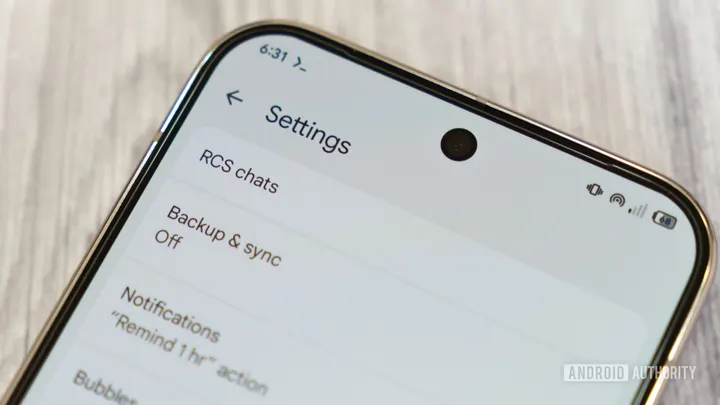
سازمان GSMA هشدار داده است که ۶ تا ۱۲ ماه آینده برای تعیین جایگاه فناوری RCS در عصر مکالمات مبتنی بر هوش مصنوعی سرنوشتساز خواهد بود. با وجود ارسال میلیاردها پیام روزانه، استفاده تجاری از این فناوری همچنان محدود به اعلانها است و رقابت سختی با پلتفرمهای رقیب دارد.
سازمان جهانی GSMA در گزارش تازه خود هشدار داده است که فناوری RCS تنها ۶ تا ۱۲ ماه فرصت دارد تا خود را به عنوان یک بازیگر جدی در عصر جدید پیامرسانی مطرح کند، در غیر این صورت ممکن است آینده مکالمات مبتنی بر هوش مصنوعی و پلتفرمهای رقیب بدون حضور آن شکل بگیرد. این یک هشدار جدی از سوی نهاد مسئول استاندارد پیامرسانی است، چرا که چالش اصلی نه در تعداد پیامهای ارسالی، بلکه در توانایی این پیامها برای انجام کارهای پیشرفتهتر در دنیای دستیارهای هوش مصنوعی همگام با عملکرد آنهاست.
بر اساس گزارش GSMA Intelligence، فناوری RCS باید از حالت اعلانهای یکطرفه به سمت گفتگوهای دوطرفه معنادار حرکت کند. امانوئل کولتا، تحلیلگر ارشد نوآوری شبکه و پایداری در این سازمان تأکید میکند که با حرکت سریع ابزارهای هوش مصنوعی، ماههای آینده تعیین خواهد کرد که آیا RCS راهبر تحول پیامرسانی مکالمهمحور خواهد بود یا از آن عقب میافتد.
آمارها نشان میدهند که در ابتدای سال ۲۰۲۶، کاربران در سراسر جهان روزانه حدود ۳.۲ میلیارد پیام RCS دریافت کردهاند. با این حال، کسبوکارها در طول سال ۲۰۲۵ کمی بیش از ۲۰ میلیارد پیام RCS ارسال کردهاند که میانگین آن به طور تقریبی به ازای هر مشترک ۰.۴ پیام در ماه بوده است؛ رقمی که در مقایسه با حدود ۱۵ پیام کوتاه تجاری سنتی سنجیده میشود. پیشبینی میشود پذیرش گسترده RCS در سال ۲۰۲۶ حدود ۲۵ درصد و در سال ۲۰۲۷ حدود ۳۸ درصد رشد کند، اما اتصال گوشیهای بیشتر لزوماً به معنای باهوشتر شدن مکالمات نیست.
در حال حاضر شرکتهایی مانند یونایتد ایرلاینز، هتلهای IHG و نسپرسو تعاملات غنیتری را در زمینه کمکهای مسافرتی، پشتیبانی مشتریان و خرید به نمایش گذاشتهاند. با این حال، چالش اصلی این است که پلتفرمهایی مانند واتساپ هماکنون مکالمات تعاملی را به کسبوکارها ارائه میدهند و دستیارهای هوش مصنوعی توقعات کاربران را از نظر زمینه، دقت و انجام واقعی کارها افزایش دادهاند. چاتباتی که تنها به ارائه دکمهها و پاسخهای از پیشنوشتهشده بپردازد، پیش از رسیدن به گوشی همه کاربران قدیمی به نظر میرسد.
سازمان GSMA اعلام کرده است که در حال کار روی قابلیتهای اضافی برای پشتیبانی از موارد استفاده نوظهور مکالمهمحور، از جمله تعاملات مبتنی بر هوش مصنوعی است، اما هنوز ویژگیهای دقیق یا زمان عرضه آنها را اعلام نکرده است. بنابراین پنجره زمانی ۶ تا ۱۲ ماهه اعلامشده، هشداری درباره شتاب رقابتی است و آزمون بزرگتر برای RCS، تبدیل مزایای خود به مکالماتی است که زمینه را به خاطر بسپارند، به هوشمندی پاسخ دهند و کار مفیدی انجام دهند.
The next big threat to RCS isn’t another messaging app
TL;DR The GSMA warns that the next six to twelve months could determine whether RCS leads the shift toward AI-powered conversations or follows rival platforms. Despite billions of daily RCS messages, commercial adoption remains relatively small, with the technology still largely focused on notifications. The GSMA is developing new conversational capabilities, but hasn’t announced specific features or release…
Affiliate links on Android Authority may earn us a commission. Learn more.
The next big threat to RCS isn't another messaging app
Oct 29, 2026 — 3:27 AM ET
- The GSMA warns that the next six to twelve months could determine whether RCS leads the shift toward AI-powered conversations or follows rival platforms.
- Despite billions of daily RCS messages, commercial adoption remains relatively small, with the technology still largely focused on notifications.
- The GSMA is developing new conversational capabilities, but hasn’t announced specific features or release timelines.
Six to twelve months. That’s how long the GSMA believes RCS has to establish itself as a serious player in the next era of messaging, or risk watching AI-powered conversations and rival platforms define that future without it.
It’s an unusually urgent warning from the organization responsible for the messaging standard, especially as RCS adoption accelerates. But the concern isn’t whether people will continue sending messages. It’s whether those messages can do more than simply deliver information in a world where AI assistants are increasingly capable of acting on it.
In its latest report, GSMA Intelligence argues that RCS must evolve beyond one-way notifications into meaningful, two-way conversations.
RCS has a real opportunity, but the clock is ticking. With established platforms at scale and AI tools moving fast, the next 6–12 months will shape whether RCS leads the shift to conversational messaging or follows it.
That’s according to Emanuel Kolta, GSMA Intelligence’s lead analyst for network innovation and sustainability.
RCS has the reach, but does it have the intelligence?
The numbers tell an interesting story. At the start of 2026, people worldwide received about 3.2 billion RCS messages each day. Yet businesses sent just over 20 billion RCS messages throughout 2025, averaging roughly 0.4 messages per subscriber per month, compared with around 15 traditional business SMS messages.
There’s plenty of room to grow, especially with broader RCS adoption forecast to increase 25% in 2026 and another 38% in 2027. But connecting more phones won’t necessarily make conversations smarter.
Imagine an airline notifying you about a delayed flight. Instead of simply acknowledging the inconvenience, you could ask about alternative connections, change your booking, and receive an updated itinerary without leaving the conversation.
That’s the direction the GSMA envisions. United Airlines, IHG Hotels & Resorts, and Nespresso already demonstrate richer RCS interactions across travel assistance, customer support, and shopping. But the challenge is that WhatsApp already offers businesses interactive conversations, while AI assistants are raising expectations around context, accuracy, and actually completing tasks. A chatbot that merely presents buttons and scripted answers risks feeling outdated before it even reaches everyone’s phone.
We’ve already seen that limitation in Google Messages’ own business chat, which supports only preset responses rather than free-form questions. To address this, the GSMA says it’s working on additional capabilities to support emerging conversational use cases, including AI-powered interactions. However, it hasn’t announced which features will arrive or when.
That makes Kolta’s six-to-twelve-month window a warning about competitive momentum, not an official deadline for delivering new features.
RCS already has native phone integration, verified business identities, and growing interoperability. The bigger test is turning those advantages into conversations that remember context, respond intelligently, and accomplish something useful.
Otherwise, RCS could become very good at delivering notifications while the real conversations happen elsewhere.
Source report: Android Authority.
گزارش فارسی این خبر با کمک هوش مصنوعی و فقط بر اساس اطلاعات منتشرشده در منبع تهیه شده است.