نسخه جدید نشریه MIT Technology Review و چالشهای دنیای فناوری و بیوتکنولوژی
شماره جدید خبرنامه MIT Technology Review به بررسی واقعبینانه شش فناوری بزرگ و بررسی حوزههای ناشناخته در بیوتکنولوژی میپردازد. این شماره همچنین به اخبار مختلفی از جمله استارتاپ جدید پالمر لاکی و پیشرفتهای واکسنهای سرطان اشاره دارد.
شماره جدید خبرنامه روزانه MIT Technology Review منتشر شد و به بررسی موضوعات مختلفی در دنیای فناوری و علوم زیستی پرداخت. یکی از بخشهای اصلی این شماره به ارزیابی واقعبینانه شش وعده بزرگ فناوری اختصاص دارد؛ فناوریهایی که سالهاست وعده تحول آنها داده میشود اما همچنان با چالشهایی روبهرو هستند. این فناوریها شامل مواردی چون رمزگشایی از صداهای حیوانات، پاکسازی مواد شیمیایی پایدار در محیط و سفرهای فضایی بسیار سریع هستند.
در حوزه بیوتکنولوژی، یادداشتی پیرامون مستند جدید مربوط به الیزابت هلمز، مدیرعامل پیشین شرکت ترانوس، منتشر شده است که نگرانیها درباره دشواریهای پوشش خبری علم و فریبندهبودن روایات جذاب را برجسته میکند. این مستند یادآور میشود که چگونه حتی متخصصان و روزنامهنگاران ممکن است در دام ادعاهای اغراقآمیز گرفتار شوند. علاوه بر این، خبرنامه به رویدادها و اخبار دیگری نظیر تلاش استارتاپ جدید پالمر لاکی برای تقویت ژنتیکی سگهای نظامی، اظهارات دونالد ترامپ درباره دسترسی اوکراین به استارینک و پیشرفتهای واکسنهای سرطان مبتنی بر فناوری mRNA اشاره دارد.
The Download: testing six tech promises and biotech’s blind spots
This is today’s edition of The Download, our weekday newsletter that provides a daily dose of what’s going on in the world of technology. Are we there yet? A reality check on six big tech promises Some seemingly impossible feats are too good to give up on. Decoding a pet’s yowls and yips? Absolutely. Scrubbing…
The Download: testing six tech promises and biotech’s blind spots
Plus: Palmer Luckey’s new startup plans to genetically enhance military dogs.
This is today's edition of The Download, our weekday newsletter that provides a daily dose of what's going on in the world of technology.
Are we there yet? A reality check on six big tech promises
Some seemingly impossible feats are too good to give up on. Decoding a pet’s yowls and yips? Absolutely. Scrubbing the world of forever chemicals? Yes, please. Rocketing to Mars in a fraction of the time? Sounds great, but how close are we, really?
In the new Impossible issue of MIT Technology Review, we ran progress reports on six potentially transformative technologies and ideas that have been “just around the corner” for years, or even decades. From exercise in a pill to nuclear-powered spaceships, we asked experts what’s holding them back and how far they’ve come.
Check out our stories on how they all stacked up.
Over the coming days, we’ll unpack each of the six technologies in The Download. So stay tuned!
In the biotech world, you can’t see everything
—Jessica Hamzelou
Earlier this week, I attended a screening of You Can See Everything, the buzzy new documentary about the disgraced former biotech CEO Elizabeth Holmes.
Like many others, I came away feeling unsettled. But not just about Holmes’s fraud and the disturbing interactions between the subjects. The film reignited a concern I’ve had about covering science for most of my career: Despite our best efforts, we never can actually see everything.
The film is a stark reminder of how easy it can be to fall for an appealing narrative. This is why it left me questioning how we cover science.
This story is from The Checkup, our weekly biotech newsletter. Sign up to receive it in your inbox every Thursday.
Help choose our next Roundtables topic
Our subscriber-only Roundtables bring you into conversation with MIT Technology Review editors and reporters. Now, we want your help choosing our next topic: how to keep your mind going for longer, or what it would take to put a city on the moon. Which do you most want to hear about?
Vote for your preferred topic by Monday at 12 p.m. ET.
The must-reads
I’ve combed the internet to find you today’s most fun/important/scary/fascinating stories about technology.
1 Palmer Luckey’s new startup plans to genetically enhance military dogs
Warhound says the dogs will detect explosives and protect troops. (Wired $)
+ It’s raised $200 million from investors, including Sequoia. (TechCrunch)
+ Colossal Biosciences will help clone and gene-edit the dogs. (Bloomberg $)
+ The Pentagon wants an AI-powered lie detector. (MIT Technology Review)
2 Donald Trump says Elon Musk has restored Ukraine’s Starlink access
But Zelensky says Starlink speeds remained capped. (Reuters $)
+ Trump reportedly asked Musk to lift the speed limits. (WSJ $)
3 The newly disclosed PHP flaw is yet to yield successful attacks
Experts say the vulnerabilities are harder to exploit than expected. (NBC News)
+ Officials urged patches after the flaws forced websites offline worldwide. (BBC)
+ But publicly disclosed fixes can help hackers. (The Economist $)
4 Moderna and Merck say their mRNA cancer vaccine cut death by 42%
The vaccine reduced melanoma patients’ risk of recurrence. (Ars Technica)
+ Federal health agencies are abandoning mRNA. (MIT Technology Review)
5 A powerful new gene editor has reached its first human patient
The prime editing technique rewrites DNA in liver cells. (Nature)
+ Companies are planning gene-edited babies. (MIT Technology Review)
6 Google will pay customers to free up power for data centers
Its virtual power plant will reward people for adjusting energy usage. (NYT $)
+ It’s also illegally felled 250,000 trees in Finland for a data center. (Guardian)
7 Dutch spies reportedly hacked Jared Kushner’s iPhone
The report alleges financial links to foreign officials. (Vanity Fair $)
8 Fossil fuels may have stopped the next ice age
Modern warming reversed 2,000 years of ice growth. (Wired $)
9 Scientists have recreated solar flares to explain the corona’s mystery
They hope to explain why it’s so hot. (New Scientist $)
10 A road trip with America’s cheapest EV shows charging is much improved
Fast chargers kept the journey manageable despite sparse coverage. (WSJ $)
+ And bigger EVs aren’t always better. (MIT Technology Review)
Quote of the day
“If anything happens to this guy, that's just it. Everyone is screwed.”
—Software developer Ian Landsman says on X that volunteer Ondřej Surý’s work on patching PHP vulnerabilities makes him an unsung hero of the entire internet.
One more thing
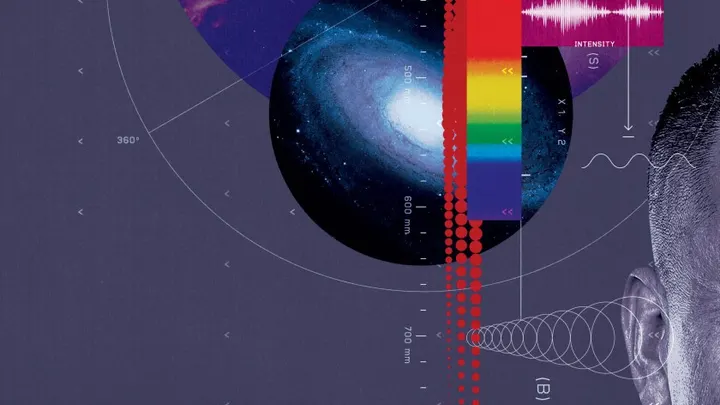
How sounds can turn us on to the wonders of the universe
For decades, astronomy has relied on visual information to make sense of the cosmos: images, charts, and graphs. Now, some researchers are trying something different: listening to the universe.
Using sonification, the process of turning information into sound, they’re helping blind and visually impaired researchers explore the cosmos—and even uncover patterns that might otherwise go unnoticed. The approach is spreading beyond astronomy into fields like climate science, navigation, and education.
Discover how sound could make science more accessible—and even more revealing.
—Corey S. Powell
We can still have nice things
A place for comfort, fun, and distraction to brighten up your day. (Got any ideas? Drop me a line.)
+ A team of domino experts broke a Guinness World Record with a 29,193-piece 3D pyramid.
+ Scientists suspect that pigeons sense Earth’s magnetic fields using specialized immune cells in their livers.
+ See inside cells like never before with these vivid microscopic images from the Nikon Small World competitions.
+ Cuddly capybaras and playful penguins joined 10,000 animals on the scales for London Zoo's annual weigh-in.
Deep Dive
The Download
The Download: why AI’s latest breakthroughs and fears may be more hype than reality
Plus: 22 nations have called for a new global body to oversee AI.
The Download: weight-loss drugs slowing aging and carbon dioxide batteries
Plus: OpenAI has released 377 new math findings, further rattling the field.
The Download: 10 climate tech companies to watch
Plus: Musk’s new Pentagon role has raised conflict-of-interest fears.
The Download: AI’s trillion-dollar gamble and OpenAI’s biology data bid
Plus: Nvidia and Meta CEOs have rejected calls for a coordinated AI slowdown.
Stay connected
Get the latest updates from
MIT Technology Review
Discover special offers, top stories, upcoming events, and more.
Source report: MIT Technology Review.
گزارش فارسی این خبر با کمک هوش مصنوعی و فقط بر اساس اطلاعات منتشرشده در منبع تهیه شده است.