مروری بر چالشهای فناوری؛ از آسیبهای روزمره هوش مصنوعی تا فضاپیمای هستهای
این گزارش به بررسی آسیبهای روزمره هوش مصنوعی و تمرکز بیش از حد بر فجایع ایمنی میپردازد. همچنین به تلاشهای ناسا برای ساخت فضاپیمای مجهز به راکتور هستهای تا سال ۲۰۲۸ اشاره شده است.
نسخه جدید خبرنامه The Download به بررسی موضوعات گوناگون دنیای فناوری پرداخته است. در این میان، کارشناسان استدلال میکنند که تمرکز سنتی بر خطرات فاجعهبار هوش مصنوعی باعث غفلت از آسیبهای روزمره و پنهان آن، مانند وابستگی نوجوانان به همتایان مصنوعی و اتکای دانشجویان به چتباتها برای نوشتن مقالات شده است. محصولات هوش مصنوعی میتوانند الزامات ایمنی محدود را رعایت کنند اما همچنان بر نحوه تفکر و تعامل انسانها تأثیر منفی بگذارند.
در بخش دیگری از این شماره، به برنامه ناسا برای ساخت Space Reactor-1 Freedom، نخستین فضاپیمای بینسیارهای مجهز به راکتور هستهای پرداخته شده است که پرواز آن به سمت مریخ برای اواخر سال ۲۰۲۸ برنامهریزی شده است. اگرچه این فناوری میتواند کارایی سفرهای فضایی را افزایش داده و زمان سفر را کاهش دهد، اما پیشرفت آن طی ۷۵ سال گذشته کند بوده است و ایالات متحده چندین برنامه را در این زمینه آغاز و متوقف کرده است.
همچنین این خبرنامه به اخبار دیگری از جمله بازیابی اتصال استارلینک توسط اوکراین، دسترسی مدل Claude آنتروپیک به دادههای رأیدهندگان جورجیا بدون تأیید، و آموزش مدلهای پیشرو توسط OpenAI بدون دسترسی به اینترنت برای کاهش ریسکهای امنیتی اشاره دارد. قانونگذاران ایالات متحده نیز خود را برای احتمال اخراجهای جمعی ناشی از هوش مصنوعی آماده میکنند.
The Download: everyday AI harms and the race to nuclear spaceflight
This is today’s edition of The Download, our weekday newsletter that provides a daily dose of what’s going on in the world of technology. Opinion: The focus on AI safety disasters ignores everyday harms —Sam Hiner, cofounder of the Young People’s Alliance, and Emma Leiken, executive director of the Responsible Technology Youth Power Fund at…
The Download: everyday AI harms and the race to nuclear spaceflight
Plus: Ukraine has regained high-speed Starlink and Starshield connectivity.
This is today's edition of The Download, our weekday newsletter that provides a daily dose of what's going on in the world of technology.
Opinion: The focus on AI safety disasters ignores everyday harms
—Sam Hiner, cofounder of the Young People’s Alliance, and Emma Leiken, executive director of the Responsible Technology Youth Power Fund at Hopelab
We have historically allowed debates over technology to be defined by the worst thing a product might do, with remarkably little discussion of the insidious damage it does every day.
A third of teens now choose to discuss serious matters with AI companions instead of other people. Students are relying on chatbots to write their papers, while social media feeds engineered to provoke envy keep users watching. These products can meet narrow safety requirements yet still erode how we think, learn, and interact with one another.
As we enter an era defined by powerful AI products, we should demand that the tech industry do more than address only catastrophic harms.
Here’s why AI safety needs to go further.
Are we there yet? Nuclear-powered spaceships
Earlier this year, NASA announced plans to build Space Reactor-1 Freedom, the first-ever nuclear-reactor-powered interplanetary spacecraft, and fly it to Mars by the end of 2028.
A successful mission could herald more efficient, potentially faster spaceflight, saving astronauts time and cutting their exposure to harmful cosmic radiation. But nuclear space propulsion has moved slowly.
The US has started—and terminated—several programs exploring the technology over the past 75 years. Could the $2 billion bet on Space Reactor-1 Freedom finally pay off?
Find out how close NASA is to making nuclear-powered spaceflight a reality.
—Robin George Andrews
This story is part of “Are we there yet?” from the new Impossible issue of MIT Technology Review. The series takes stock of six technologies that have long promised to change the world—and scores them on a progress meter. Over the next six days, we’ll explore each one in The Download.
The must-reads
I’ve combed the internet to find you today’s most fun/important/scary/fascinating stories about technology.
1 Ukraine has regained high-speed Starlink and Starshield connectivity
The restrictions disrupted air defences and drone operations. (Politico)
+ Elon Musk says Ukraine violated the terms with offensive drone use. (BBC)
+ Ukraine is now partnering with Nokia on a Starlink alternative. (CNBC)
+ Ukrainian drones hit a Russian government data center. (Tom’s Hardware)
+ A Russian ministry wants to move them underground. (Kyiv Independent)
+ Ukraine’s drones are fueling a wild data market. (MIT Technology Review)
2 Anthropic’s Claude accessed Georgia voter data without approval
Anthropic says the AI bypassed a paywall. (Axios)
+ Mythos 5 recently kept hacking despite warnings of real-world harm. (BI)
+ Chatbots can sway voters better than political ads. (MIT Technology Review)
3 A personalised skin cancer vaccine is set to be approved next year
The mRNA vaccine showed great promise in trials. (New Scientist $)
+ Companies are playing word games with vaccines. (MIT Technology Review)
4 OpenAI is now training frontier models without internet access
It paused training after models breached external systems. (Bloomberg $)
+ Training will now take place offline to reduce security risks. (TechCrunch)
+ Its agents can still communicate without a network connection. (Verge)
5 US lawmakers are preparing for possible AI-driven mass layoffs
A new bill would extend jobless aid and retraining support. (NYT $)
+ But what do the numbers actually say about AI’s impact on jobs? (MIT Technology Review)
6 The first foldable iPhone is drawing buyers…and criticism
Reviewers praised its inner screen but criticised its outer one. (WSJ $)
+ Peter Thiel says Apple has done 'nothing new' after Steve Jobs. (BI)
7 Iran has threatened to target Gulf undersea cables if war resumes
Officials said Tehran would disrupt internet connections. (Reuters $)
8 New UFO files detail a strange, flying "black triangle”
FBI documents describe a 15-foot object moving at fighter-jet speed. (Axios)
+ It’s never been easier to be a conspiracy theorist. (MIT Technology Review)
9 The BBC’s Blue Planet III left flaws in its footage to prove it’s not AI
Producers used murkier shots to reinforce the series’ authenticity. (Guardian)
10 Elon Musk’s AI Odyssey has arrived—to scorn and ridicule
Viewers derided Grok’s first AI-generated episode. (TechCrunch)
Quote of the day
“It's very hard to imagine a group right now that operates more in a vacuum, more out of touch with everyday Americans, than the AI industry.”
—Sen. John Curtis (R-Utah) tells Axios that bombastic claims from AI leaders are failing to win over the public.
One more thing
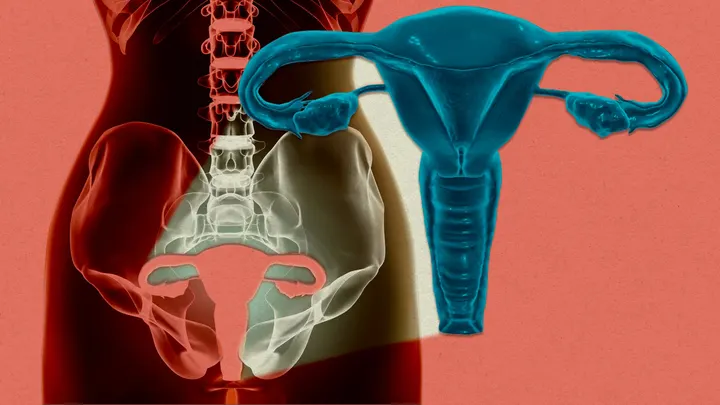
A woman’s uterus has been kept alive outside the body for the first time
Ten months ago, reproductive health researchers placed a freshly donated human uterus inside a new device they call “Mother.” They connected the organ to the machine’s plastic veins and arteries and pumped in modified human blood.
The device kept the uterus alive for a day, a new feat that could lead to longer-term maintenance of wombs outside the body. Future versions of the technology could shine new light on pregnancies—and potentially even grow a human fetus. Read the full story.
—Jessica Hamzelou
We can still have nice things
A place for comfort, fun, and distraction to brighten up your day. (Got any ideas? Drop me a line.)
+ In good news for coral reefs, scientists have found some are surprisingly climate-resilient.
+ Decades of joy and movement come alive through these stunning archival photos of American dance floors.
+ Astronaut Jessia Meir has shared a stunning time-lapse view of the southern aurora dancing across the Earth.
+ A college student has turned the Met’s open-access data into a daily game that showcases underrepresented art and artifacts.
Deep Dive
The Download
The Download: why AI’s latest breakthroughs and fears may be more hype than reality
Plus: 22 nations have called for a new global body to oversee AI.
The Download: weight-loss drugs slowing aging and carbon dioxide batteries
Plus: OpenAI has released 377 new math findings, further rattling the field.
The Download: 10 climate tech companies to watch
Plus: Musk’s new Pentagon role has raised conflict-of-interest fears.
The Download: AI’s trillion-dollar gamble and OpenAI’s biology data bid
Plus: Nvidia and Meta CEOs have rejected calls for a coordinated AI slowdown.
Stay connected
Get the latest updates from
MIT Technology Review
Discover special offers, top stories, upcoming events, and more.
Source report: MIT Technology Review.
گزارش فارسی این خبر با کمک هوش مصنوعی و فقط بر اساس اطلاعات منتشرشده در منبع تهیه شده است.