رونق مراکز داده و فرصتهای تازه برای نوسازی شبکه برق
افزایش چشمگیر مصرف انرژی توسط مراکز داده هوش مصنوعی فشارهای زیادی را بر شبکه برق آمریکا وارد کرده است. با این حال، کارشناسان صنعت معتقدند این چالش میتواند انگیزهای برای نوآوری و نوسازی زیرساختهای فرسوده برق باشد.
رونق هوش مصنوعی منجر به افزایش چشمگیر تقاضا برای انرژی در سراسر ایالات متحده شده است. منتقدان میگویند این افزایش تقاضا یک تست استرس بر روی زیرساختهای شبکه برق پیر آمریکا ایجاد کرده است و نگرانیهایی درباره افزایش قبوض برق در کوتاهمدت و قطعی برق در بلندمدت وجود دارد.
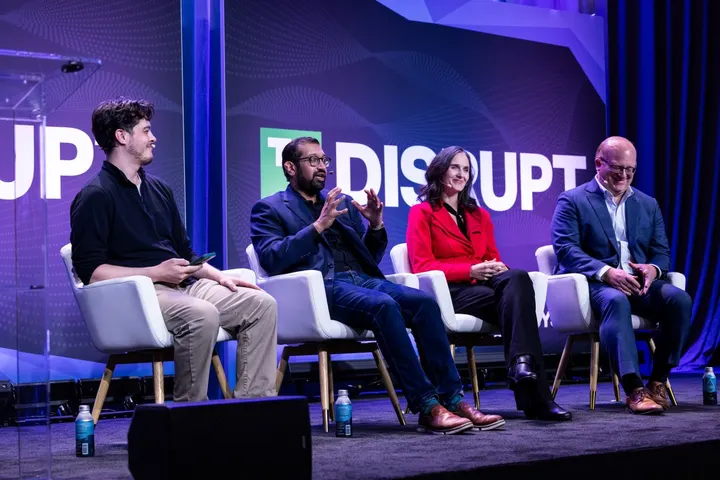
با این حال، فعالان صنعت در رویداد TechCrunch Disrupt دیدگاه خوشبینانهای نسبت به این موضوع داشتند و اعلام کردند که هجوم اتصالات انرژی جدید میتواند راه را برای نوسازی شبکه برق هموار کند. آپورو بارگاو، بنیانگذار و مدیرعامل WeaveGrid، اشاره کرد که شبکه برق کنونی با متغیرهای جدیدی از جمله انرژیهای تجدیدپذیر، خودروهای برقی، مراکز داده و پمپهای حرارتی روبهرو است و مدیریت این بار کاری، چالش اصلی شرکتهای خدمات رسانی است.
شرکت WeaveGrid تلاش میکند با ارائه نرمافزارهای مدیریت بار، به شرکتهای خدماتی کمک کند تا از سیستم موجود بیشترین بهرهوری را داشته باشند و در عین حال هزینههای کاربران را کاهش دهند. از سوی دیگر، شرکتهای دیگری مانند Veir روی زیرساختهای فیزیکی کار میکنند و کابلهای ابررسانایی میسازند که میتوانند انرژی را با کارایی بسیار بالاتری نسبت به کابلهای سنتی منتقل کنند. این شرکت اخیراً توانسته بودجه ۱۱۰ میلیون دلاری در راند سرمایهگذاری سری C جذب کند.
تیم هایدل، مدیرعامل Veir، بر این باور است که مقیاس سرمایهگذاری در زیرساختهای هوش مصنوعی، نوآوریهای زیادی را هدایت میکند و فناوریهای جدیدی را به بازار میآورد. کریستین ابرهارد از سازمان Rewiring America نیز معتقد است که اگرچه تقاضای انرژی مراکز داده ضرورت نوسازی را افزایش داده، اما فضایی را ایجاد کرده است که صنایع برای امتحان کردن راه حلهای جدید آمادهتر باشند.
The data center boom has an upside: innovation for the US grid
As the AI boom stresses the existing power grid, all sorts of new opportunities for grid modernization are also emerging as a result, industry insiders say.
The AI boom has led to a gargantuan surge in energy demand across the country. Critics say this upswell in connections is enacting a stress test on America’s aging grid infrastructure. Worries abound that, in the short term, the energy crunch could lead to surging electrical bills and, in the long term, may eventually lead to outages or other technical problems.
At TechCrunch Disrupt earlier this month, industry insiders tempered much of this criticism with optimism about how the flood of new energy connections could actually be opening the door for grid modernization. Apoorv Bhargava, founder and CEO of WeaveGrid, Tim Heidel, CEO of Veir, and Kristin Eberhard, VP of policy at Rewiring America, said that though the grid faces new challenges, there are also plenty of new opportunities as well.
“It’s a very different electric grid, right?” said Bhargava. “We’re dealing with a ton of new variables, including renewable energy. We’re dealing with a ton of new load in the form of electric vehicles and data centers and heat pumps, and the ability to manage and orchestrate is fundamentally what utilities are now grappling with.”
While all of those new connections are driving an ever larger amount of stress to the grid, Bhargava’s company hopes to provide the kind of load orchestration and management that helps utilities maximize the potential of the current system. WeaveGrid’s software can help organizations efficiently deploy energy while also optimizing connections to reduce utility payers’ bills, the founder said.
Heidel, on the other hand, runs a company that is working to build out and expand the physical infrastructure of the grid, while also making it run much more efficiently. Veir sells superconductive power lines that promise to transfer energy at a much more efficient rate than traditional ones. Veir’s cables can carry power five times farther than traditional cables while also requiring 20 times less space, the company has said. Earlier this month the startup raised $110 million in a Series C funding round.
“The scale of the investment in AI infrastructure is driving a tremendous amount of innovation,” said Heidel. “There’s a ton of new technologies that are coming off the shelves and starting to get to scale that, pulled together, can actually really make sure that data centers are the best community neighbors and citizens they can possibly be.”
He added: “I think that we really need to look at ways that we can really adopt all of that as fast as possible to ease this next stage of growth.”
Eberhard, whose organization advocates for household electrification, also said that while the surge in data center energy demand has spurred a new urgency to the modernization cause, it has also created an environment where industries are ready to try new things.
“I feel like this era of AI and load growth is a very improv era,” Eberhard said. “There’s a lot of yes-and-ing going on. So yes, we need more transmission lines. Yes, we need more centralized power plants, and we also need to make sure that we’re taking advantage of all this other stuff that we had previously been leaving on the table when we didn’t have this urgency of the AI demand.”
Source report: TechCrunch AI.
گزارش فارسی این خبر با کمک هوش مصنوعی و فقط بر اساس اطلاعات منتشرشده در منبع تهیه شده است.