حمله باجافزاری به یک NAS سینولوژی متصل به اینترنت به دلیل بهروزرسانی نکردن آسیبپذیریها
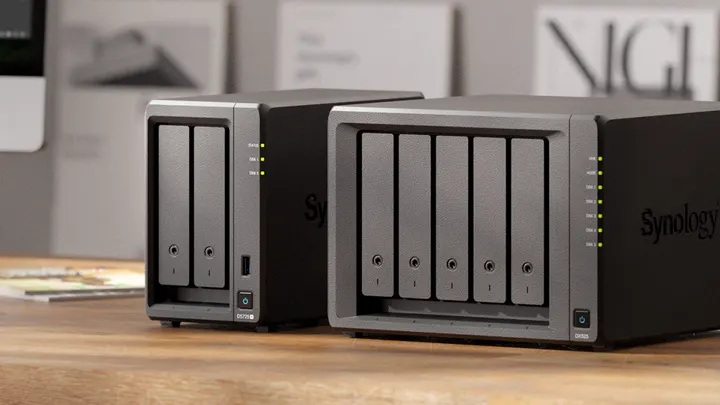
یک کاربر ردیت که دستگاه ذخیرهسازی تحت شبکه (NAS) سینولوژی خود را به اینترنت متصل کرده بود و آن را به مدت ۱۸ ماه بهروزرسانی نکرده بود، قربانی یک حمله باجافزاری شد. این حمله از طریق یک آسیبپذیری قدیمی اجرای کد از راه دور صورت گرفته است.
مدیران سیستم اغلب جزو اولین کسانی هستند که سیاستهای امنیتی ضعیف در تنظیمات دیگران را گوشزد میکنند، اما گاهی اوقات خودشان قربانی عدم رعایت همان توصیهها میشوند. این داستان کاربری در ردیت است که فایلهای موجود روی دستگاه Synology DS918+ او پس از یک سری اشتباهات، توسط باجافزار رمزگذاری شد.
این کاربر که تخصص فنی بالایی دارد، جزئیات این رویداد را منتشر کرد. مشکل اصلی این بود که رابط web دستگاه به اینترنت متصل بوده و حدود ۱۸ ماه از آخرین وصلههای امنیتی آن گذشته بود. بررسی لاگها نشان داد که این حمله احتمالاً با سوءاستفاده از آسیبپذیری اجرای کد از راه دور با شناسه CVE-2024-10441 انجام شده است که یک سال و نیم پیش کشف شده بود.
به گفته کارشناسان، اتصال مستقیم دستگاهها به اینترنت بدون لایههای حفاظتی مانند VPN یا تونل SSH هرگز توصیه نمیشود. علاوه بر این، سیاستهای بهروزرسانی شرکت سینولوژی نیز در این میان بیتقصیر نبوده است؛ چرا که رابط کاربری این دستگاهها گاهی به کاربر اعلام میکند که سیستم بهروز است، در حالی که وصلههای امنیتی حیاتی نیازمند نصب دستی هستند.
Tech whizz's internet-accessible Synology NAS gets bit by ransomware attack from 18-month-old remote code execution flaw — security updates neglected in a series of catastrophic errors
Systems administrators are among the first to point out lax security policies in other companies' or people's setups. Sometimes, they are the ones who get bitten by not taking the same advice they will so readily dispense. Such is the tale of Reddit user NakamuraHwang, who had files on their Synology DS918+ NAS encrypted by a ransomware attack after making a series of unforced errors. Hwang appears to be quite…
Tech whizz's internet-accessible Synology NAS gets bit by ransomware attack from 18-month-old remote code execution flaw — security updates neglected in a series of catastrophic errors
In their defense, Synology's misleading update policies didn't help.
Systems administrators are among the first to point out lax security policies in other companies' or people's setups. Sometimes, they are the ones who get bitten by not taking the same advice they will so readily dispense. Such is the tale of Reddit user NakamuraHwang, who had files on their Synology DS918+ NAS encrypted by a ransomware attack after making a series of unforced errors.
Hwang appears to be quite technically proficient and provided a detailed write-up of the situation. The key points, however, are that the unit in question (a) had its web interface exposed to the internet and (b) was roughly 18 months out-of-date with security patches. Just like the recent PHP snafu has adeptly shown, complacency is a far worse enemy than an army of AI bots.
The tech has a 3-2-1 backup setup, so they seemingly didn't lose any data. They attached the disks to a Proxmox machine for further inspection — Synology's DSM operating system uses mdraid underneath, so you can take the disks to another box and mount them there. Investigation of logs and the operating system files revealed that the attack was likely performed by abusing the CVE-2024-10441 remote code execution vulnerability, revealed a year and a half ago.
As most any other sysadmin will tell you, it's never advisable to expose devices directly to the internet without some layer of protection in between, chiefly but not only a VPN or an SSH tunnel. Tailscale, for instance, makes having a VPN fairly painless these days, and its free plan covers most home installations.
Synology had published its own advisory regarding the exploit, but that's where the NAS' behavior regarding updates complicates matters. According to multiple comments on the thread and in other forums, the UI will happily tell you that your device is up to date, all while there are critical security updates that need to be manually installed. The manual for DSM indicates that units from 2025 onwards have automatic updates, apparently implying that those of previous makes need to be configured so.
Furthermore, Synology apparently doesn't have a direct channel to warn its customers of critical security vulnerabilities —a simple e-mail notification would suffice. Although the firm is seemingly shifting away from consumer gear, it still sells small units that regular users might buy, and it's not reasonable to expect them to even be aware of security bulletins. Plus, package updates like the patch for the PHP2Shell vulnerability have to be installed separately, too.
Follow Tom's Hardware on Google News, or add us as a preferred source, to get our latest news, analysis, & reviews in your feeds.
Get Tom's Hardware's best news and in-depth reviews, straight to your inbox.
Bruno Ferreira is a contributing writer for Tom's Hardware. He has decades of experience with PC hardware and assorted sundries, alongside a career as a developer. He's obsessed with detail and has a tendency to ramble on the topics he loves. When not doing that, he's usually playing games, or at live music shows and festivals.
Source report: Tom's Hardware.
گزارش فارسی این خبر با کمک هوش مصنوعی و فقط بر اساس اطلاعات منتشرشده در منبع تهیه شده است.