مرورگر اپرا با پشتیبانی از هوش مصنوعی محلی بهروزرسانی شد
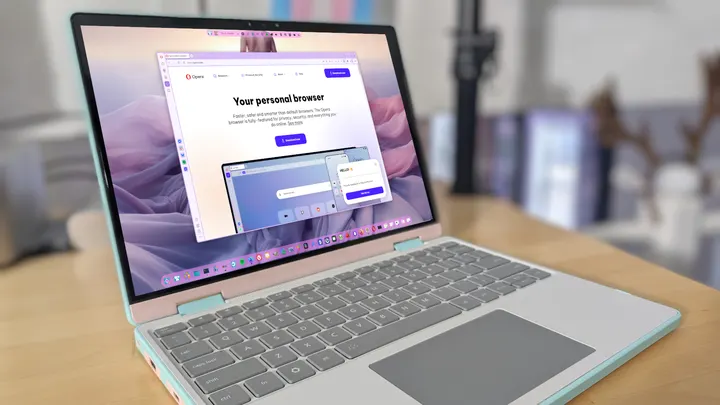
شرکت اپرا به لطف استاندارد پیشنهادی جدید WebAI، قصد دارد مدلهای هوش مصنوعی محلی را به طور پیشفرض به مرورگر خود اضافه کند. این قابلیت به کاربران اجازه میدهد پرسشهای خود را بدون ارسال داده به سرورهای ابری و به صورت محلی روی دستگاه پردازش کنند.
شرکت اپرا گام جدیدی در زمینه ادغام هوش مصنوعی برداشته و اعلام کرده است که به پشتوانه استاندارد وب پیشنهادی و جدید WebAI، به زودی مدلهای هوش مصنوعی محلی را به مرورگر پرچمدار خود اضافه میکند. با بهرهگیری از این ویژگی، پرسشها و دادههای کاربران به جای ارسال به فضای ابری، روی دستگاه شخصی خودشان باقی میماند.
بر اساس اعلام اپرا، از آنجا که این قابلیت از مدلهای هوش مصنوعی با وزن باز استفاده میکند، توسعهدهندگان میتوانند بدون نیاز به زیرساختهای گرانقیمت یا پرداخت هزینه به ازای هر درخواست، برنامههای خود را توسعه دهند. اکثر مرورگرهای موجود برای پاسخدهی به هوش مصنوعی به فضای ابری وابستهاند و اطلاعات کاربران ممکن است توسط سازمانهای شخص ثالث برای آموزش مدلهای زبانی بزرگ یا پروفایلسازی استفاده شود، اما اپرا قصد دارد با تکیه بر مدلهای محلی و سبکتر در برابر این روند بایستد.
کریستین کلوندرا از مدیران ارشد اپرا در این باره اشاره کرد که بسیاری از قابلیتهای مورد انتظار کاربران از هوش مصنوعی نیازی به مرکز داده ندارند و لپتاپ شخصی افراد میتواند بدون ارسال داده به جایی، از عهده آنها بربیاید. این ویژگی مبتنی بر استاندارد WebAI است که شرکتهایی مانند گوگل و مایکروسافت نیز از آن پشتیبانی میکنند و به وبسایتها و افزونهها اجازه میدهد از هوش مصنوعی میزبانیشده در مرورگر بهره ببرند.
برای آزمایش این قابلیت در مرورگر اپرا، کاربران میتوانند پس از بهروزرسانی مرورگر به نسخه Opera One، از طریق بخش تنظیمات، رابط برنامهنویسی WebAI را فعال کرده و افزونههای سازگار را نصب کنند. این پیشنمایش اولیه در حال حاضر روی رایانههای ویندوزی ۶۴ بیتی و مکبوکهای مجهز به تراشههای اپل سیلیکون در دسترس است.
Opera will run AI locally in your browser now – why that’s a gamechanger and how to try it
Thanks to the newly proposed WebAI web standard, the company will start shipping local AI models with its flagship browser.
ZDNET’s key takeaways
- Opera is releasing an important AI feature.
- Local AI is now getting built right into the web browser.
- There’ll be no need to configure or install the likes of Ollama.
Opera just made a bold choice: Thanks to the newly proposed WebAI web standard, the company will soon be shipping local AI models with its browser. By doing so, Opera’s AI ensures that your queries and/or data remain on your machine.
Also: How Opera’s new Air browser helped me to keep calm and surf on
According to Opera, because this new feature uses open-weight AI models, anyone can build on top of those models without running expensive AI infrastructure or paying for every request. That equates to more innovation for the Opera browser.
More from ZDNET
This is a bigger deal than you might think.
Most browsers include AI that depends on the cloud for responses; a user’s data is not limited to the local machine and could be used by third-party organizations to train LLMs or even build profiles.
Opera aims to resist that trend by leaning into local AI, made possible by open-weight models that have become smaller and more capable, while hardware continues to become more powerful.
“A lot of what people want from AI doesn’t need a data center. Your laptop can already do it, without sending your data anywhere,” said Krystian Kolondra, EVP Browsers and AI at Opera. “We first shipped local models to developers in 2024. Now we’re bringing them to everyone. More models and tools are coming, and you’ll always decide what runs on your machine.”
What is WebAI?
WebAI is a newly proposed web standard (backed by companies like Google and Microsoft) that allows websites and extensions to use browser-hosted AI. Opera’s implementation of WebAI is model-agnostic and built around open-weight models, so users can select models from the likes of Google and Apple.
Also: Opera now detects and blocks malicious clipboard content
WebAI is also opt-in; nothing is downloaded until the user does so. Developers can check out example extensions that use WebUI from WebAI: Local AI for the web, now in Opera.
Long-time fan of Opera and local AI
I’ve been a fan of the Opera browser for a long time — it has served as my default for the past five years on Linux, MacOS, and Android.
I’ve seen Opera features come and go, but the good ones always stick around. Opera was one of the first browsers to integrate AI into the UI, making it very easy (and free) to use. The longer I use AI, the more one particular issue has become my calling card — local AI.
I’m a champion of local AI, and that’s the hill I will die on.
The problem thus far is that using local AI with browsers isn’t always easy. Firefox made it possible with Smart Window, but it’s not set up to use local AI by default. (You have to choose a custom provider and have Ollama installed and running on your machine.)
Also: Firefox is the browser to beat right now if you use AI
Opera is ready to make this reality even easier.
To try the local-first version of Opera, do the following:
- Download or update Opera One
- Go to Settings > Opera AI and turn on Enable Web AI API.
- Install an extension and open it from your extensions menu.
According to Opera, WebAI is an early preview, available on Windows PC (64-bit, Intel/AMD) and Macs with Apple silicon. It isn’t available on Intel-based Macs, Linux or Windows on Arm.
Source report: ZDNET AI.
گزارش فارسی این خبر با کمک هوش مصنوعی و فقط بر اساس اطلاعات منتشرشده در منبع تهیه شده است.