همکاری طراحان مد با گوگل برای استفاده از ابزارهای هوش مصنوعی
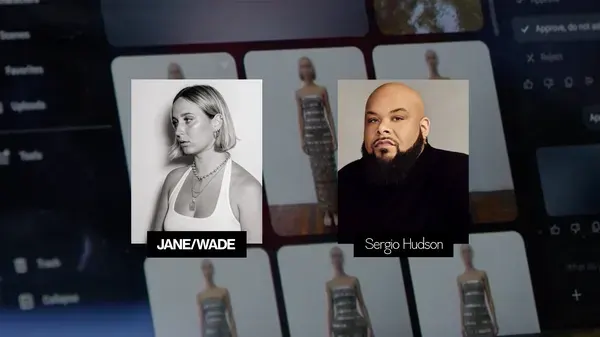
استودیوی ایدهپردازی گوگل با همکاری طراحان مد مستقل، ابزارهای مبتنی بر هوش مصنوعی را برای سادهسازی فرآیندهای طراحی و نمایش لباس توسعه داده است. این ابزارها به طراحان کمک میکنند تا مجموعههای خود را با کارایی بیشتری آماده کنند.
پیش از برگزاری هفته مد نیویورک، استودیوی ایدهپردازی گوگل با همکاری طراحان مد تلاش کرد تا جریانهای کاری خلاقانه را سادهسازی کند و به طراحان در اجرای ایدههایشان یاری برساند. مهندسان گوگل با همکاری طراحانی مانند جین وید و سرگی هادسون، ابزارهای تخصصی را با استفاده از استودیوی خلاقانه هوش مصنوعی گوگل توسعه دادند.
ابزار توسعهیافته برای جین وید به او اجازه داد تا مدلهای لباس را به صورت دیجیتال بررسی کند و پیش از دوخت لباسها، جزئیات را تنظیم نماید. از سوی دیگر، ابزار دیگر به سرگی هادسون کمک کرد تا سالن نمایش و نورپردازی را بدون هزینههای اضافی شبیهسازی و بهینهسازی کند.
این همکاریها نشان میدهد که چگونه ابزارهای هوش مصنوعی میتوانند فرآیندهای تولید در صنعت مد را بهبود ببخشند و طراحان را در کنترل هزینهها و مدیریت زمان یاری کنند.
Co-creating the future of fashion with Google
Jane Wade and Sergio Hudson
Co-creating the future of fashion with Google
Ask an independent fashion designer how they actually spend their time, and "designing clothes" is rarely the answer. Administrative tasks, factory logistics, and vendor coordination take up the bulk of their days, leaving very little time for design.
Ahead of New York Fashion Week, Google’s Envisioning Studio, with support from Google Labs, set out to streamline the creative workflow process—helping designers bring ambitious runway visions to life with less friction.
Google engineers worked side by side with designers Jane Wade and Sergio Hudson, using Google Flow, our AI creative studio, to build two specialized tools to address their specific challenges. Jane’s Google Flow tool helped her create balanced head-to-toe looks before producing physical samples. Sergio used his tool to stage his runway on a tight studio budget.
Virtually styling a collection
The Google Flow tool we co-created with Jane, Styling Suite, mapped every facet of her runway model looks. In-person casting and fittings typically consume up to three full days for a design team. The tool allowed her to curate hair, makeup, accessories, shoes, and garments on digital models, then play with the styling virtually. She was able to balance each look and identify missing elements before cutting and sewing additional pieces.
Grounding runway design in a real budget
Sergio’s main challenge was staging his show without breaking his budget. In the past, asking his production crew to change lighting and props added to the overall costs, since a new 3D rendering was needed for every design revision. Our co-developed Google Flow tool, Runway Visualization, eliminated the back-and-forth by simulating his runway. It let him adjust the set-up of his venue and swap the lighting and props with options that worked within his budget. He was also able to refine which paths the models would walk, allowing him to harmonize the show and viewer experience.
Moving fashion AI out of pilot mode
The results of these collaborations were visible on the runways at New York Fashion Week — and there’s room for more innovation.
While there’s plenty of excitement around AI in the fashion industry, many projects remain stuck in theoretical testing. AI can make the production process smoother for designers by co-developing tools that work within their existing processes and ensure they’re firmly in the driver’s seat.
Build your own bespoke tools in Google Flow using natural language to describe the tool or workflow you’re looking to create, no coding experience required.
Source report: Google AI Blog.
گزارش فارسی این خبر با کمک هوش مصنوعی و فقط بر اساس اطلاعات منتشرشده در منبع تهیه شده است.