لپتاپ شرکتهای Anduril و Qualcomm با استانداردهای ساخت آمریکا مطابقت خواهد داشت
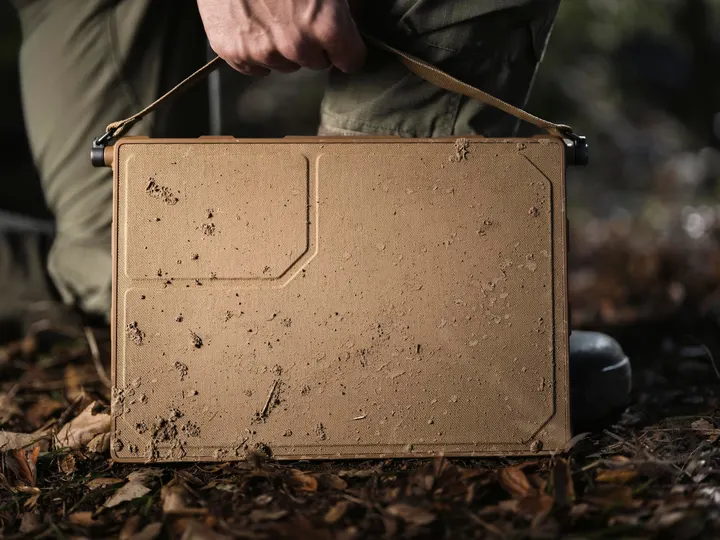
شرکت دفاعی Anduril و تراشهساز Qualcomm اعلام کردهاند که لپتاپ جدید خود با نام BlueChip را تا سال ۲۰۲۷ به بازار عرضه خواهند کرد. Anduril پس از تغییر موضع خود تأیید کرد که این محصول هنگام عرضه، حداقل استاندارد ۶۵ درصدی قطعات ساخت ایالات متحده را برآورده خواهد کرد.
شرکت دفاعی Anduril و سازنده تراشه Qualcomm در یک مشارکت جدید قصد دارند لپتاپی را به طور کامل در ایالات متحده بسازند و عرضه آن را از سال ۲۰۲۷ با یک مدل آغاز کنند. این همکاری با هدف ایجاد یک زنجیره تأمین کاملاً داخلی در صنعت رایانه شکل گرفته است. در حال حاضر هیچکدام از شرکتهای بزرگ رایانهای ایالات متحده محصولات خود را در داخل این کشور تولید نمیکنند.
در ابتدا، مسئولان Anduril در پاسخ به پرسشهای رسانهها درباره میزان دقیق قطعات ساخت آمریکا در این لپتاپ طفره رفتند و وضعیت را نامشخص خواندند. نمونه اولیه این لپتاپ در حال حاضر تنها حدود ۳۲ درصد از قطعات با منشأ آمریکایی را شامل میشود و بیش از ۹۰ درصد آن از ایالات متحده و کشورهای متحد تأمین شده است. با این حال، شانون پریور، معاون ارتباطات Anduril، اعلام کرد که این شرکت میتواند متعهد شود که لپتاپ BlueChip هنگام عرضه در سال ۲۰۲۷، آستانه ۶۵ درصدی قطعات داخلی ایالات متحده را رد کند.
پالمر لاکی، بنیانگذار Anduril، پیشتر اشاره کرده بود که هدف نهایی این شرکت دستیابی به تولید صددرصد داخلی در طول زمان است. با این حال، او اذعان کرد که رسیدن به این هدف به زمان نیاز دارد و به وضعیت راهاندازی کارخانههای تولید حافظه، پردازنده و نمایشگر در داخل آمریکا وابسته است. به گفته لاکی، این لپتاپ بهگونهای طراحی میشود که الزامات نهادهای نظامی و دولتی را برآورده کند.
بر اساس قوانین بهروزرسانیشده دولت ایالات متحده، محصولات برای اینکه به عنوان کالای داخلی شناخته شوند باید حداقل ۶۵ درصد از هزینه قطعات خود را در داخل کشور تولید کنند تا نهادهای فدرال بتوانند آنها را بدون نیاز به معافیت خریداری کنند. لاکی اشاره کرد که بسیاری از خریدهای دولتی رایانهها در حال حاضر تحت معافیتهای قانونی انجام میشوند.
برای غلبه بر چالشهای زنجیره تأمین، Anduril اقداماتی را برنامهریزی کرده است؛ از جمله استفاده از تولیدکنندگان داخلی شیشه برای پوشش نمایشگر، برنامهریزی تراشههای برنامهپذیر برای مدیریت توان و توسعه باتریهای ساخت آمریکا. همچنین بدنه این لپتاپ برای ماشینکاری در ایالات متحده طراحی شده است. درباره پردازنده اسنپدراگون این دستگاه نیز، کریستیانو آمون، مدیرعامل Qualcomm، اعلام کرد که تراشهها در کارخانه تولیدی TSMC در آریزونا ساخته خواهند شد.
Anduril now says its BlueChip laptop will meet Buy American standards at launch
On Tuesday, defense contractor Anduril and chipmaker Qualcomm announced a partnership to build laptops entirely in the United States , starting with a single model in 2027. They also announced a "long-term goal" of pushing the computer industry to create "a fully domestic supply chain." Even a single Made-in-USA laptop would be a surprise, because no major US computer company builds its laptops here - not Apple, not…
On Tuesday, defense contractor Anduril and chipmaker Qualcomm announced a partnership to build laptops entirely in the United States, starting with a single model in 2027. They also announced a “long-term goal” of pushing the computer industry to create “a fully domestic supply chain.”
Anduril now says its BlueChip laptop will meet Buy American standards at launch
Palmer Luckey says it was always the goal, and now the company is committing to it.
Even a single Made-in-USA laptop would be a surprise, because no major US computer company builds its laptops here — not Apple, not Dell, not HP, not Microsoft. We’re not aware of any company that does.
But we are aware of companies that have briefly and strategically assembled computers here seemingly to appease President Donald Trump. We’re also aware of companies that have promised US jobs only to deliver empty buildings. And we’re aware of at least one fake “US” company that lied to the government about making product domestically.
That’s why we now ask pointed questions when a company says it’s committed to US manufacturing. We asked TP-Link those sorts of questions just over a week ago. On Monday, we asked Anduril founder Palmer Luckey and Qualcomm president and CEO Cristiano Amon those kinds of questions.
Over the course of two days, Anduril has changed its answers.
Anduril communications VP Shannon Prior now says the company’s laptop will have at least 65 percent of its components made in the US by the time it launches in 2027. It’s an important number, and one that Anduril did not commit to earlier this week.
Luckey held a call with reporters on Monday, during which he was clear that he wants to make literally every part of a computer in the United States — and that Anduril and Qualcomm have already mapped out a plan. “We have a technical roadmap to get to 100 percent domestic over time,” he told journalists.
Luckey also suggested his laptop would be built to comply with the requirements of the military and other government agencies — and that it would meet or exceed one specific US government standard that has an exact definition.
“We are not just barely meeting the bar for Made in America. We are going hard to make this an all-American play, and not even the Buy American Act requires what we’re trying,” Luckey said.
The Buy American Act dates back to 1933, but it was updated during the Biden Administration to require that at least 65 percent of the cost of a company’s products must be made domestically for it be considered a domestic product itself. That number is going up to 75 percent in 2029.
Many products need to be made in America to those standards, or federal agencies can’t buy them without receiving a waiver — which agencies currently use en masse, Luckey himself argued on the call. “There’s a number of government agencies that are required by law to buy American-made computers [...] All of those procurements are happening under waivers of those laws,” he said.
We also noticed that Anduril’s press release specifies that its first laptop will be “designed and assembled” in the United States, not necessarily “manufactured” here (though the release does talk about future manufacturing). This was also a sticking point with router maker TP-Link, which would not confirm full manufacturing even after suggesting it in an interview with The Verge.
That’s why we asked Luckey what percent of his first laptop’s components would be made in the US. His reply was not 65 percent or 70 percent. It was “TBD.” You can read the exchange for yourself:
The Verge: When it arrives in 2027, what percent of the components in the BlueChip laptop will be made in the US?
Luckey: TBD. I’m doing my very, very best. It’s gonna be a whole mix of things based on when do certain memory fabs come online? When do certain CPU, GPU fabs come online? There’s a whole— Like, am I able to get a display line here or not? Do I have to do that after launch? I’m being totally open kimono with you here. Those questions are not settled. It is not clear if I will be able. I know the glass is gonna be made in the US, I know the frame is gonna be made in the US around that display. I know that parts of the ribbon component are gonna be made in the U.S. I don’t know if I will have successfully pulled that component in or a dozen other components. So it’s a little up in the air. I’m doing my very, very best. I think most likely the thing that we ship is not going to be 100-percent American. I think it’ll be a blend of US and allies around the world, mostly US, probably a few things from some allies, and then that’ll be in the context of conversations with those allies about bringing those components into production in the United States, and I’m being honest with the government on this too. I mean, I’ve had conversations where I’ve said, listen. I would love to give you guys an American, 100-percent American laptop right off the bat, but that is not the environment the US government has created or US industry has created. I can’t let the perfect be the enemy of the good.
When we followed up by email to ask specifically about 65 percent, the answer was that the laptop prototype is currently at 32 percent and Anduril could not yet commit to 65 percent. Here’s Anduril spokesperson Stephanie Davis’ full reply on Tuesday:
For the prototype today, approximately 32% is U.S.-origin by component procurement cost, and more than 90% is sourced from the United States and allied countries combined.
We’re working to expand domestic sourcing and production ahead of planned availability in 2027, with the goal of eliminating foreign content and ultimately establishing an end-to-end American supply chain.
The final domestic-content percentage at launch remains unsettled, so we can’t confirm above or below 65% today. That’s why we’re asking you to revise the assertion that it will be “well below” that threshold.
Today, Prior writes that Anduril can indeed commit to 65 percent. Here is the most recent statement:
Our previous response to The Verge was incorrect. The BlueChip laptop is indeed being developed to exceed the 65% U.S. domestic-content threshold at launch in 2027. Meeting that threshold is a fundamental objective of the program. The precise domestic-content percentage of the final product is still being determined as we finalize suppliers and work through prototypes, and we look forward to sharing more next year.
Today’s statement is the first time Anduril has confirmed that we, and government agencies, theoretically shouldn’t need to wait until Anduril achieves its full goals to see a laptop that meets the Buy American standard. If everything works out, Anduril’s first laptop in 2027, with Qualcomm, should be that laptop.
We invited Luckey to explain how Anduril would get to 65 percent domestic component production in a follow-up interview, but we were told he’s not currently available. On the Monday call, he told journalists that Anduril already has a US glassmaker lined up for the laptop’s cover glass, is programming FPGAs (field-programmable gate arrays) to serve the purpose of power management chips and other circuits it can’t normally can’t get outside China, and is developing made-in-America batteries as well.
The press release adds that the enclosure is designed “for US machining” and the laptop will use metals “that US industry can produce and machine at scale.”
As for the laptop’s Snapdragon processor, we asked Qualcomm CEO Cristiano Amon about that. “TSMC has a manufacturing facility in Arizona, and that’s where our chips are going to be made,” he told The Verge.
Source report: The Verge.
گزارش فارسی این خبر با کمک هوش مصنوعی و فقط بر اساس اطلاعات منتشرشده در منبع تهیه شده است.