AI data centers comprehensively defeated at US midterm elections — 45 measures put on the ballot as Americans overwhelmingly vote against developments
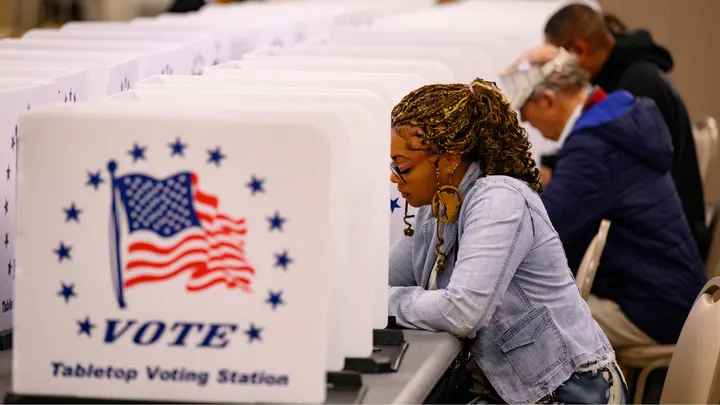
Several counties in the U.S. have put data center concerns on the midterm ballot, and early results show that Americans are overwhelmingly voting against them. According to Data Centers on the Ballot , 33 measures restricting data center development have already won, with six more questions leading. Only one measure in Harwood, North Dakota, which adds an extra review process for industrial projects, including data…
AI data centers comprehensively defeated at US midterm elections — 45 measures put on the ballot as Americans overwhelmingly vote against developments
Americans are saying no to data center developments.
Several counties in the U.S. have put data center concerns on the midterm ballot, and early results show that Americans are overwhelmingly voting against them. According to Data Centers on the Ballot, 33 measures restricting data center development have already won, with six more questions leading. Only one measure in Harwood, North Dakota, which adds an extra review process for industrial projects, including data centers, has failed, while a further five have no posted results. This is a major setback for the Trump administration, which has been pushing for AI development in the U.S., but not a surprising result, as one database has shown that “America hates data centers,” with polls showing that 70% of Americans oppose AI data center build-outs.
Note that the issues put to a vote are varied, ranging from outright permanent data center bans to moratoriums, time-limited actions, limitations based on size or consumption, and more. The mid-term elections also resulted in the recall of the mayor and two council members in Piqua, Ohio, and the mayor of Yukon, Oklahoma, for previously supporting data center bans. A second tracker of some 46 data center measures across 10 states reveals that of 33 measures to limit data centers, every single one is set to be passed. Of a further 13 positive measures to permit data centers and their construction, 11 look set to be defeated.
Despite the overwhelming opposition to AI data centers, it’s unclear if they will affect projects that are already underway. In fact, out of the 300-plus local data center bans enacted across the U.S., only three developments totaling 2.3 gigawatts have been delayed, with 38 gigawatts expected to come online by 2027, and that investment into the infrastructure is still on track to hit $32 trillion by 2050. Nevertheless, these votes could affect future developments, especially as the U.S. Senate accuses Big Tech of misleading the public on the advantages of AI data centers. It’s also the reason why OpenAI and Anthropic are scrambling for small data center projects that range in capacity from 20 to 30 megawatts, especially as their hyperscale gigawatt sites face delays.
President Donald Trump has taken steps to reduce the impact of data centers on the average citizen, like forcing AI data centers to pay an energy dividend to local communities and making tech companies, state governors, and utility companies promise to pay their own way via the “ratepayer protection pledge.” However, it seems that his effort was too little, too late, to change the minds of voters who are afraid of utility price hikes, noise pollution, and other negative effects that data centers have had on communities where they’ve been built.
Follow Tom's Hardware on Google News, or add us as a preferred source, to get our latest news, analysis, & reviews in your feeds.
Get Tom's Hardware's best news and in-depth reviews, straight to your inbox.
Jowi Morales is a tech enthusiast with years of experience working in the industry. He’s been writing with several tech publications since 2021, where he’s been interested in tech hardware and consumer electronics.